| VIEW IN BROWSER | |
| |
Spotlight on Safety | |
| VOLUME 10, ISSUE 1 | JANUARY 2026 |

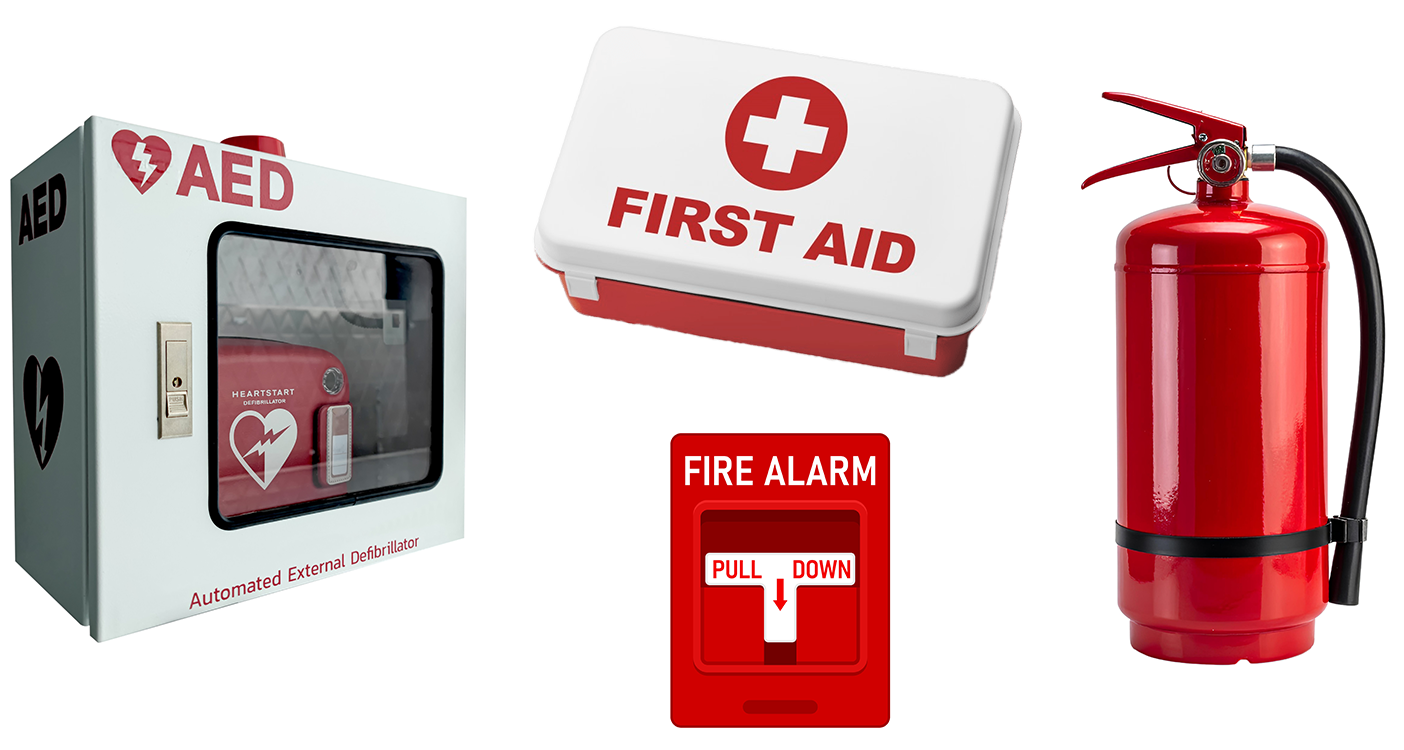 |
Safety EquipmentThe Northwestern campus is equipped with safety tools located throughout buildings and outdoor areas to help protect employees, community members, and campus property during emergencies. Knowing where this equipment is located, and what it is used for, can make a critical difference when every second counts. These devices are intended for use by employees and other community members in emergency situations and are designed to be simple to operate, even without formal training or prior experience. Taking a few minutes to recognize the safety equipment in your work area and understand when it may be used can support a quicker, safer response, especially in the moments before emergency responders, such as the local fire department, arrive. |
Automated External Defibrillators (AEDs)An AED is a life-saving device used to help someone experiencing sudden cardiac arrest. More than 130 AEDs are located in accessible areas across the Northwestern Chicago and Evanston campuses. Taking a moment to know where the nearest AED is in your work area can make a critical difference in an emergency. If you encounter a suspected cardiac emergency:
Review the Northwestern AED Program to learn more, including device locations on campus. |
Fire extinguishersFire extinguishers can be an important first line of defense against small, contained fires and may help prevent them from becoming larger emergencies. Take time to know where fire extinguishers are located in your work area and ensure they are always accessible and not blocked. If you discover a fire:
If the fire is large, spreading, or becomes unsafe, evacuate immediately and wait for emergency responders. If required by your school or unit, ensure you are up to date on your annual Portable Fire Extinguisher training in myHR Learn. |
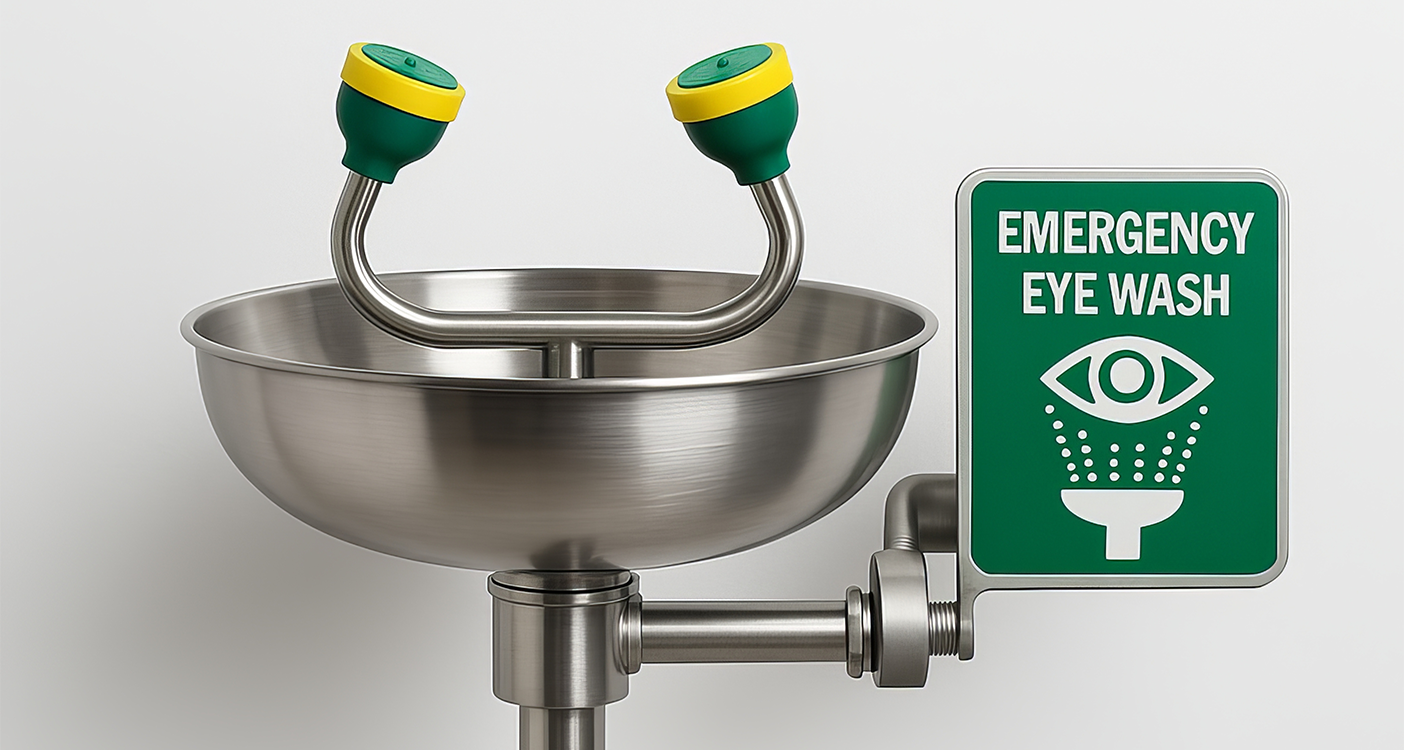 |
Other essential safety equipmentIn many work areas such as laboratories, shops, and workshops, additional safety equipment is available to help protect against specific hazards. Take a moment to become familiar with the equipment located near your work area, including:
If required by your school or unit, ensure you are current on your biennial Basic First Aid and PPE training in myHR Learn. |
Safety is a shared responsibilityWhile safety equipment is routinely inspected and maintained to ensure operational readiness, everyone plays a role in maintaining a safe workplace. Please follow these safety reminders:
|
Do you want to learn more?
|
|
|
|
|
We want your feedback! Please complete this brief anonymous survey. Do you have a safety story you'd like to share? If so, please contact ehs@northwestern.edu. |
