News & Events
News
Interview
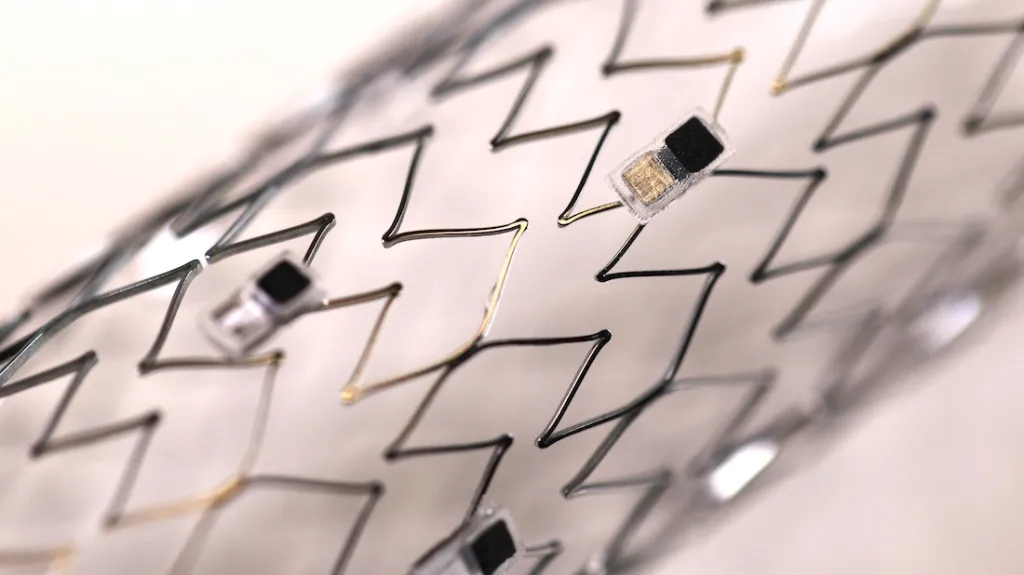
Bringing hard electronics into soft and squishy bodies
Overview
A lot of things in life are squishy, including your skin, your organs, and all the goo inside you. But technology tends to be rigid and hard. Figuring out how to get those two worlds to work together can be challenging. How do you connect an electronic sensor to a soft, beating heart?
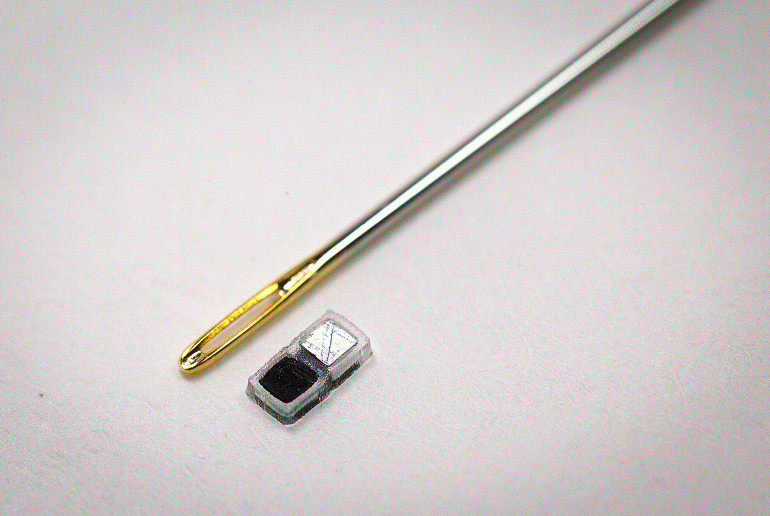
As an inventor of biocompatible electronic devices, John A. Rogers has designed things like flexible probes, a pacemaker smaller than a grain of rice, and wireless sensors that stick to skin like a temporary tattoo. He joins Host Flora Lichtman to talk about the challenges of meshing the natural and artificial worlds, and his approach to science and technology development.
Overview
The body can notice stress before the conscious brain — and that’s no lie.
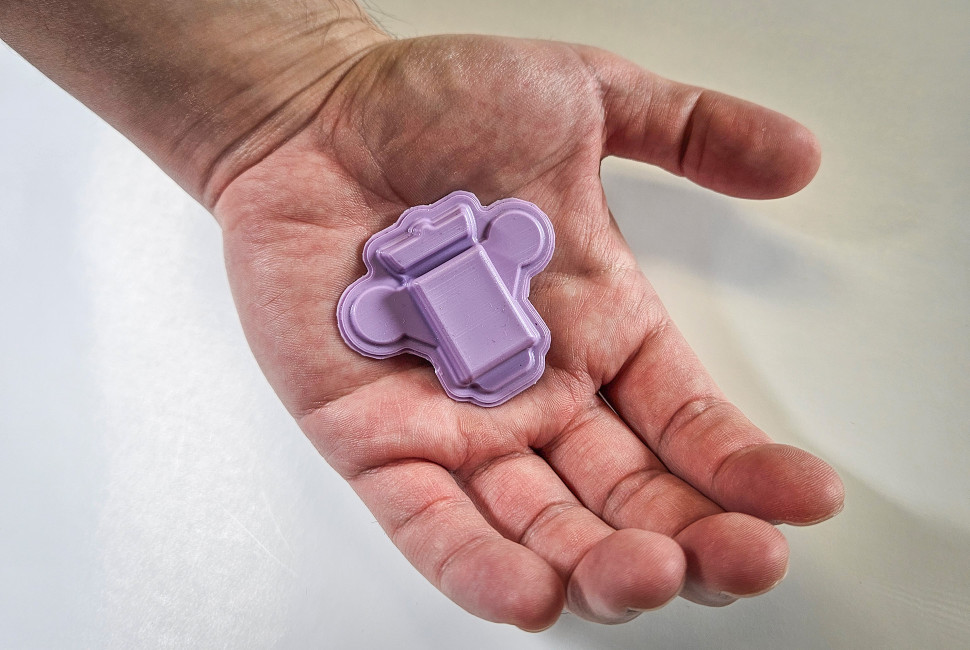
Northwestern University engineers have developed a small, wireless polygraph system you can wear.
Unlike polygraphs used in television crime dramas, this wearable version isn’t optimized to detect lies. Instead, engineers and physicians designed it to sense underlying stress hidden deep within the body — no interrogation room required.
Overview
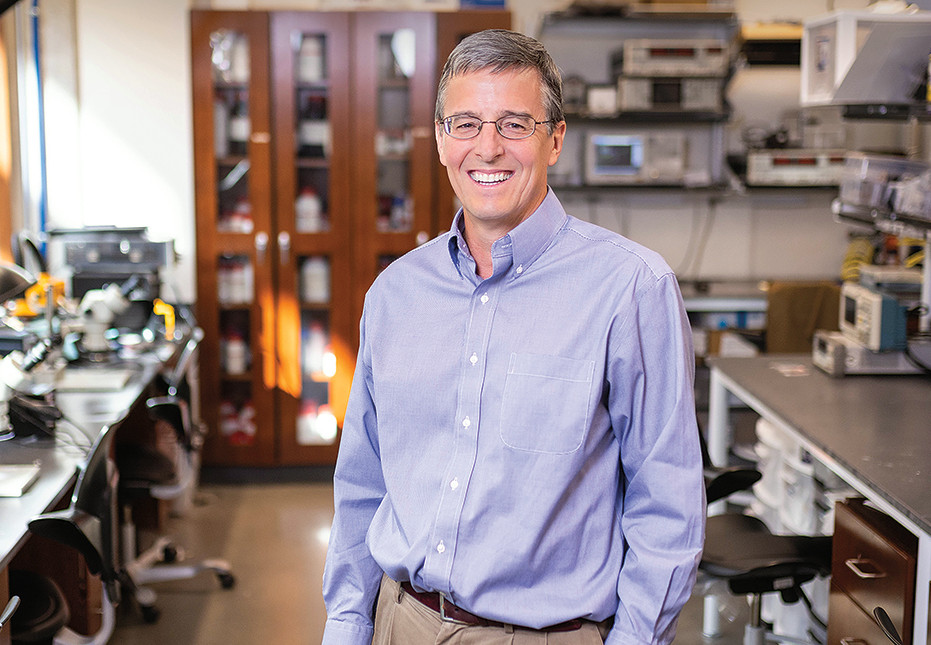
Made possible by a transformative gift from Northwestern Trustee Kimberly K. Querrey, the Querrey Simpson Institute for Translational Engineering for Advanced Medical Systems (QSI-TEAMS) will serve as a bridge between academic technology advances and commercialization at the University. Bioelectronics pioneer John A. Rogers, director of the new institute, shares how QSI-TEAMS will accelerate the adoption of breakthrough medical technologies at scale.News Article

Vocal health research bolstered through new Northwestern institute
Overview
Research related to vocal health led by Bienen senior lecturer Theresa Brancaccio is being supported through the new Querrey Simpson Institute for Translational Engineering for Advanced Medical Systems (QSI-TEAMS) at Northwestern. QSI-TEAMS aims to expedite the clinical validation, adoption and launch of pioneering technologies at the intersections of engineering, science and medicine. Leading the initiative is John A. Rogers, the Louis Simpson and Kimberly Querrey Professor of Materials Science and Engineering, Biomedical Engineering and Neurological Surgery.
Overview
At a time when medical technology breakthroughs often stall long before reaching patients, Northwestern University’s Querrey Simpson Institute for Bioelectronics (QSIB) has become a striking exception. Led by world-renowned bioelectronics pioneer John A. Rogers, QSIB is a rare place where futuristic devices not only make headlines but also make it into hospitals, clinics and patient homes around the world.
Now, QSIB — united with several other Northwestern centers and institutes — will extend that reach even further.
News Article
New institute to accelerate adoption of breakthrough medical technologies
Overview
Northwestern is launching an institute to catalyze the translation of groundbreaking University research discoveries into treatments and devices that improve patients’ lives. The Querrey Simpson Institute for Translational Engineering for Advanced Medical Systems (QSI-TEAMS) is being made possible by $29 million in philanthropic funding from University Trustee Kimberly K. Querrey (’22, ’23 P).Event: QSI-TEAMS Launch Celebration
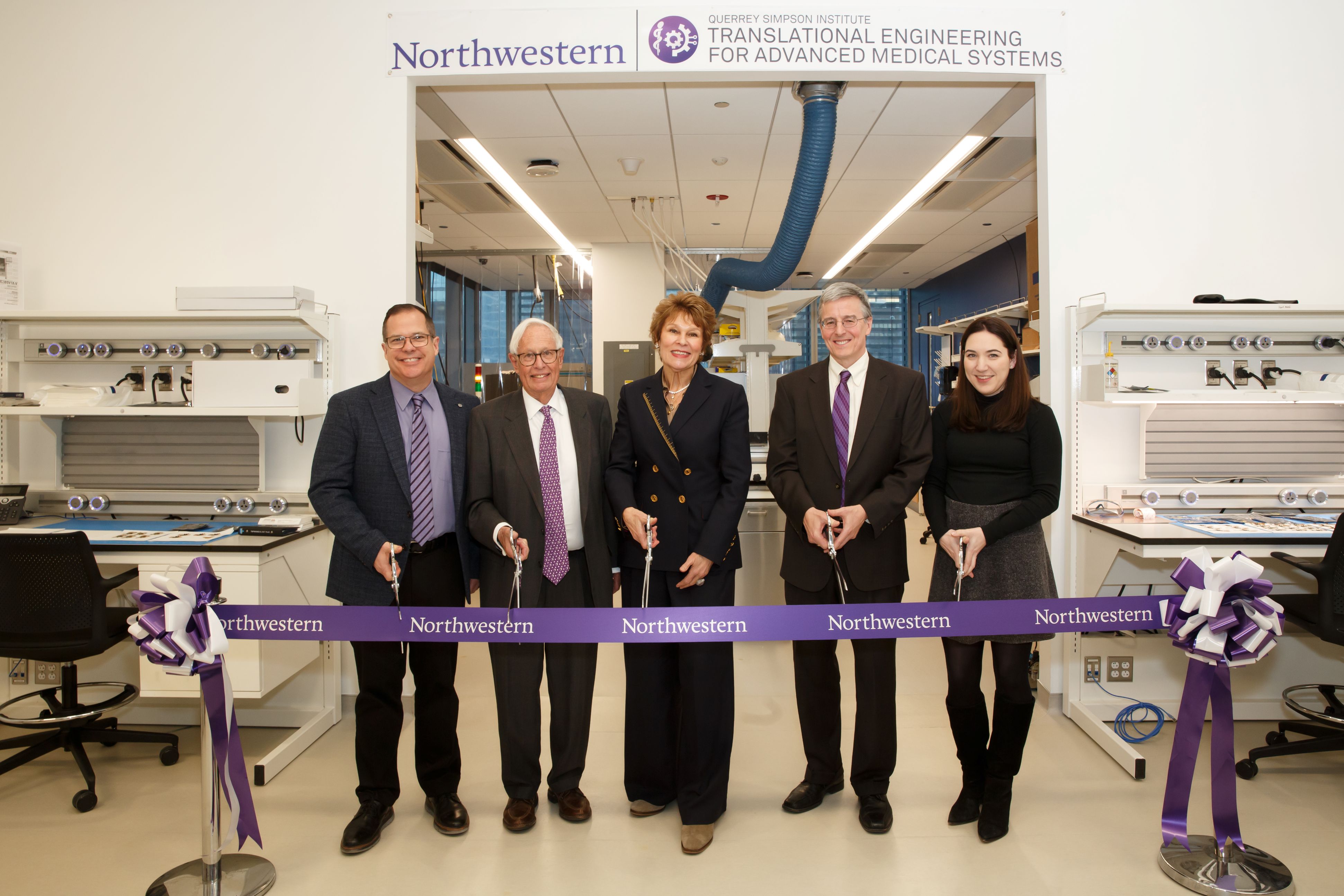
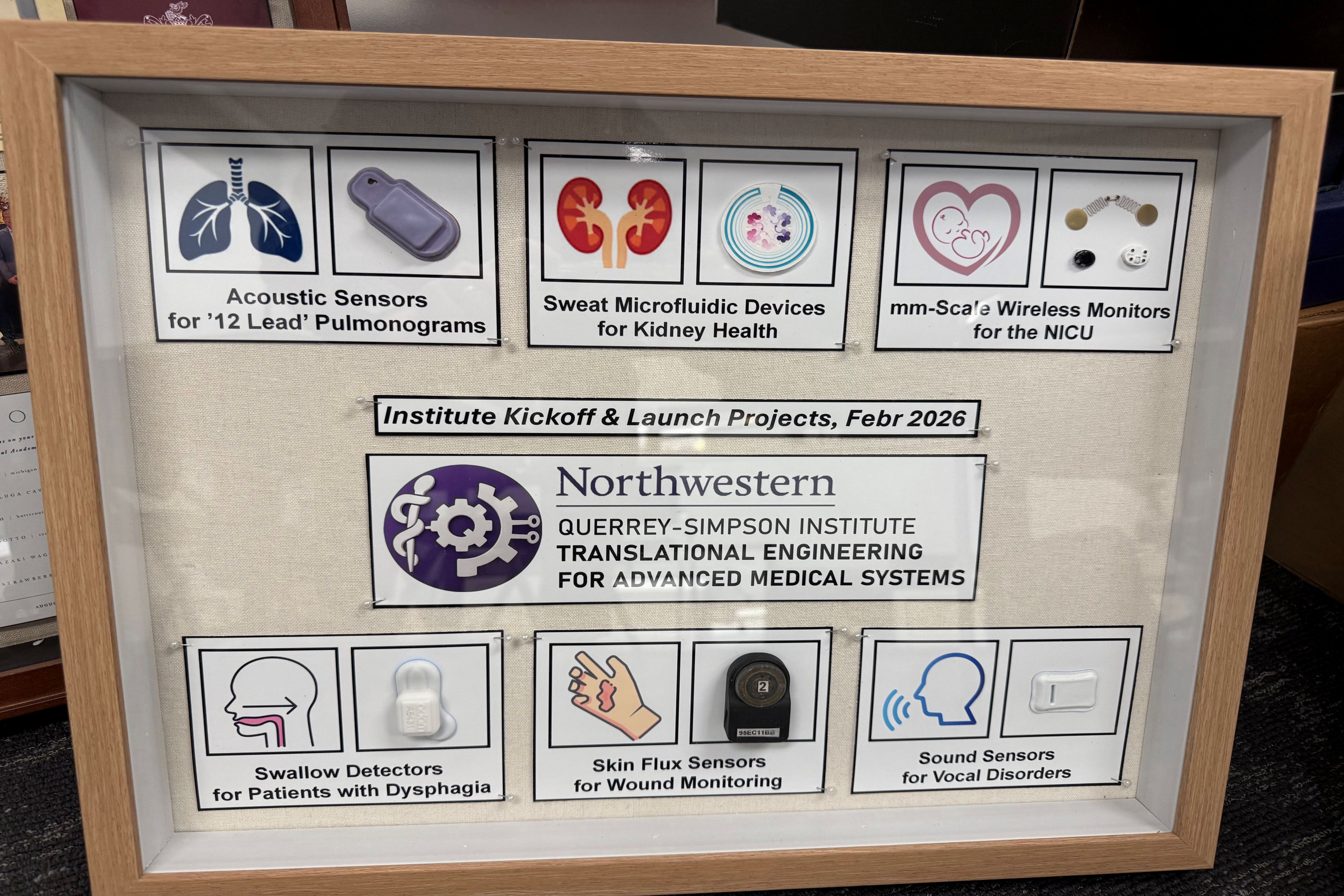
Images from the QSI-TEAMS launch celebration for the new institution on February 23rd, 2026 at the Simpson Querrey Biomedical Research Center in Chicago, IL.

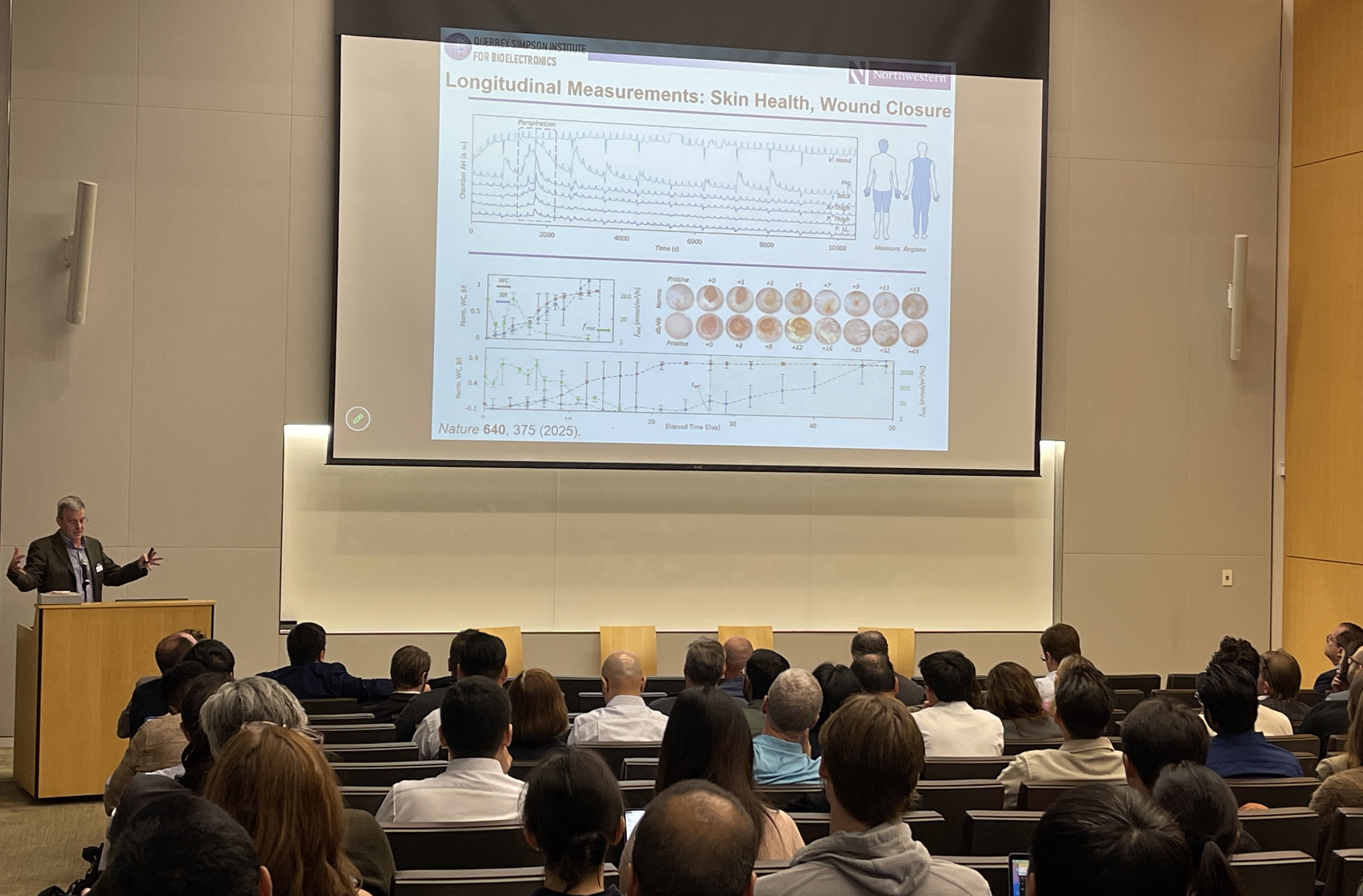
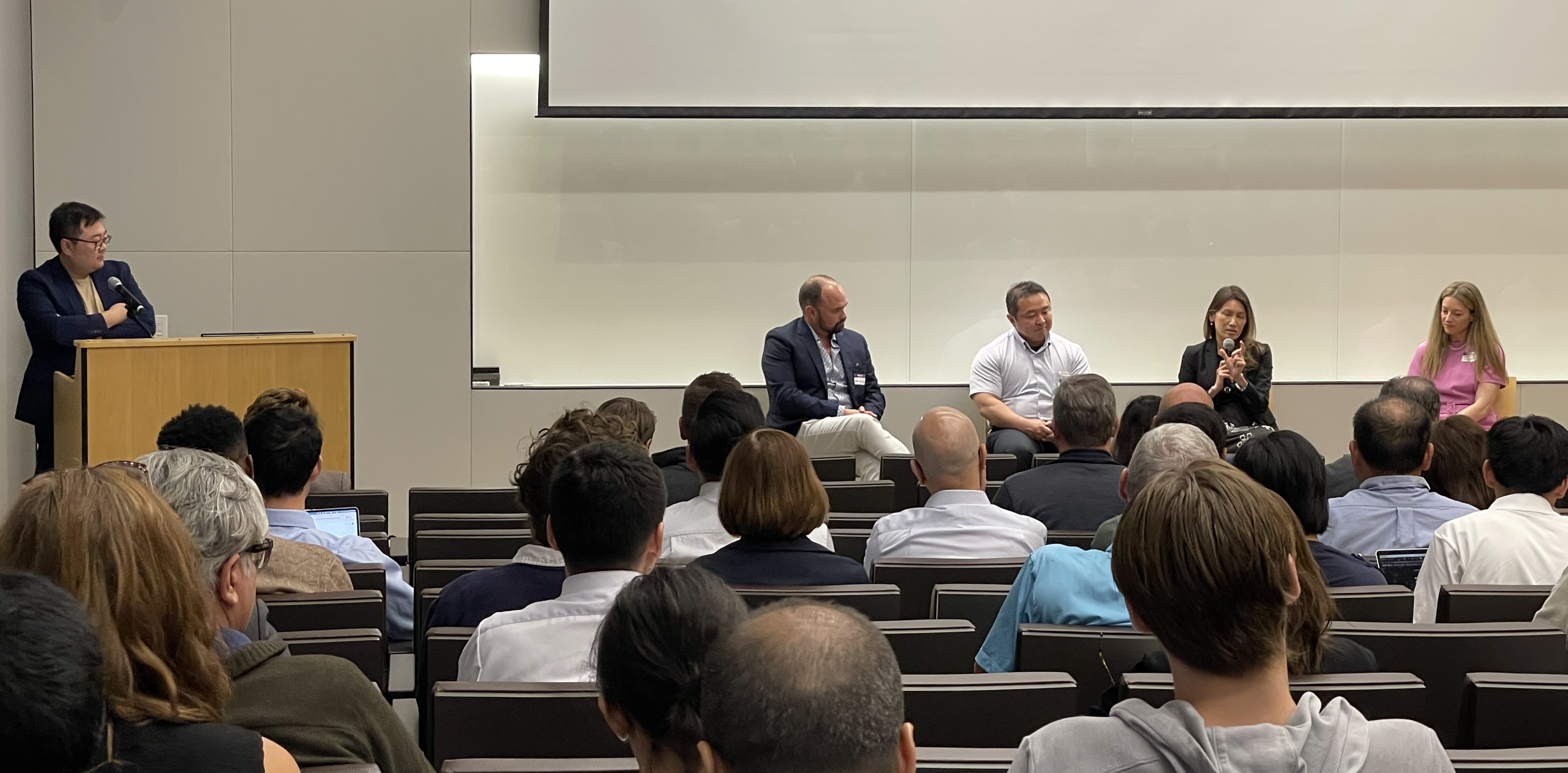
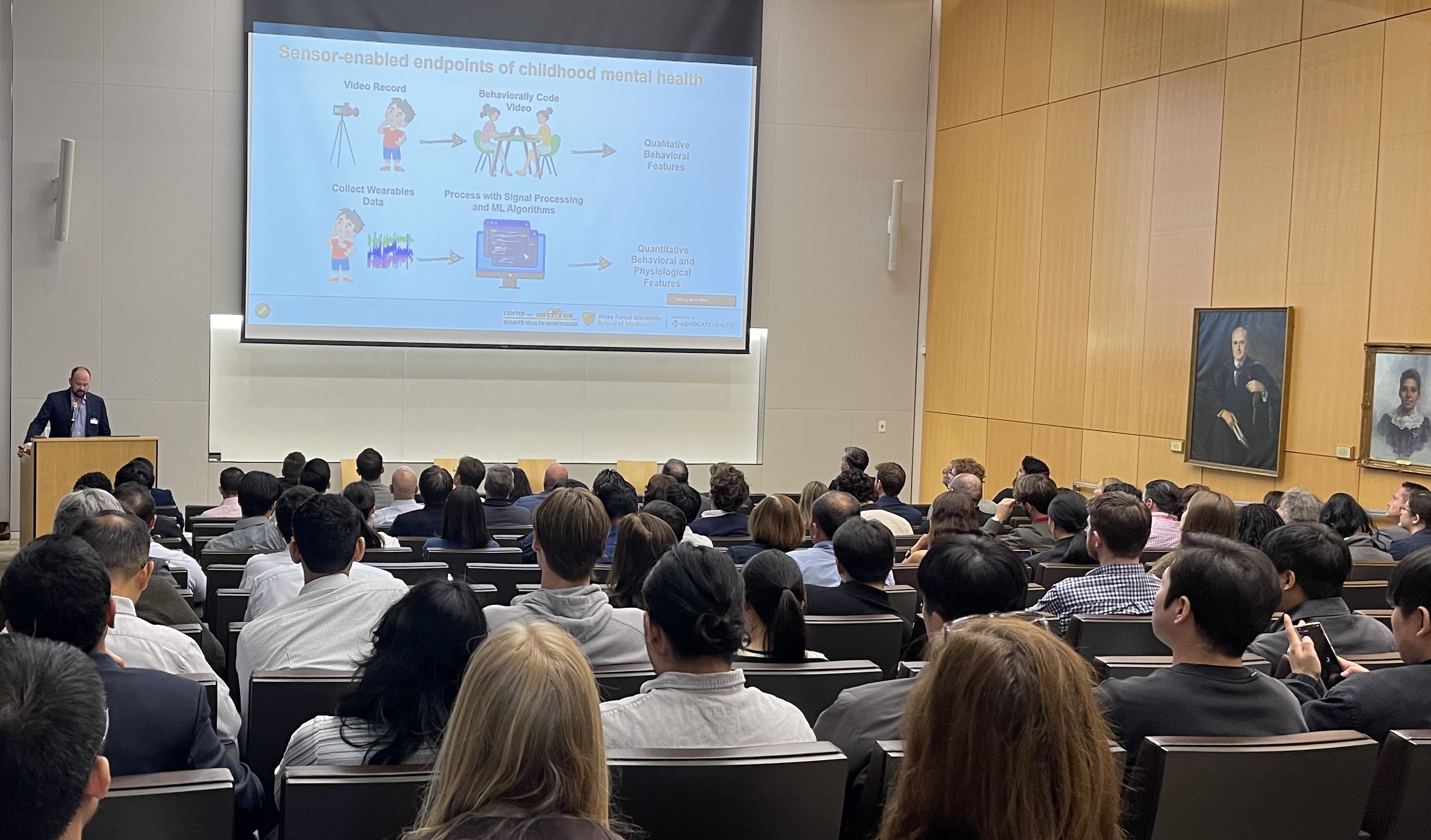
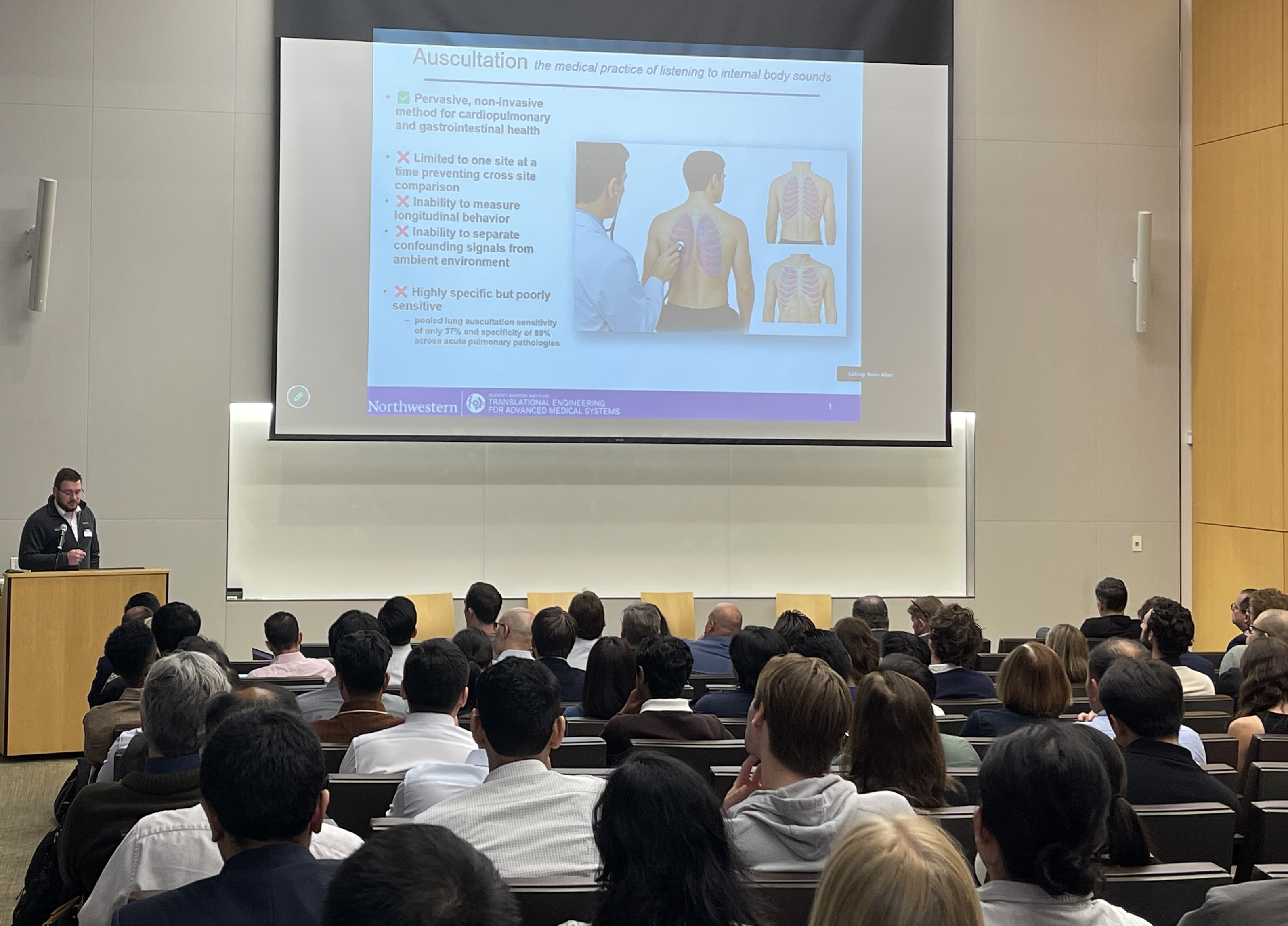
Event: Advanced Wearables and the Future of Clinical Trials
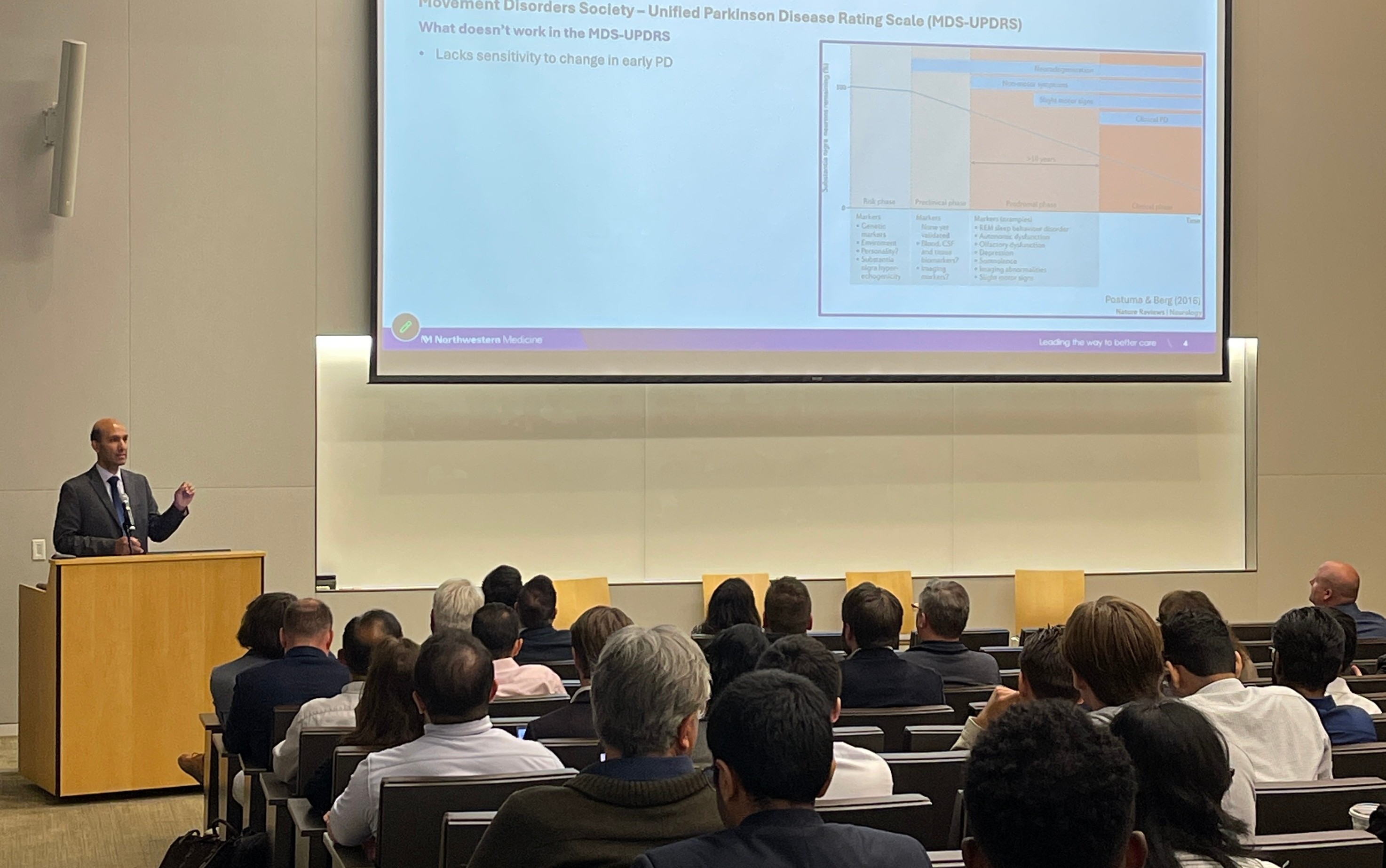
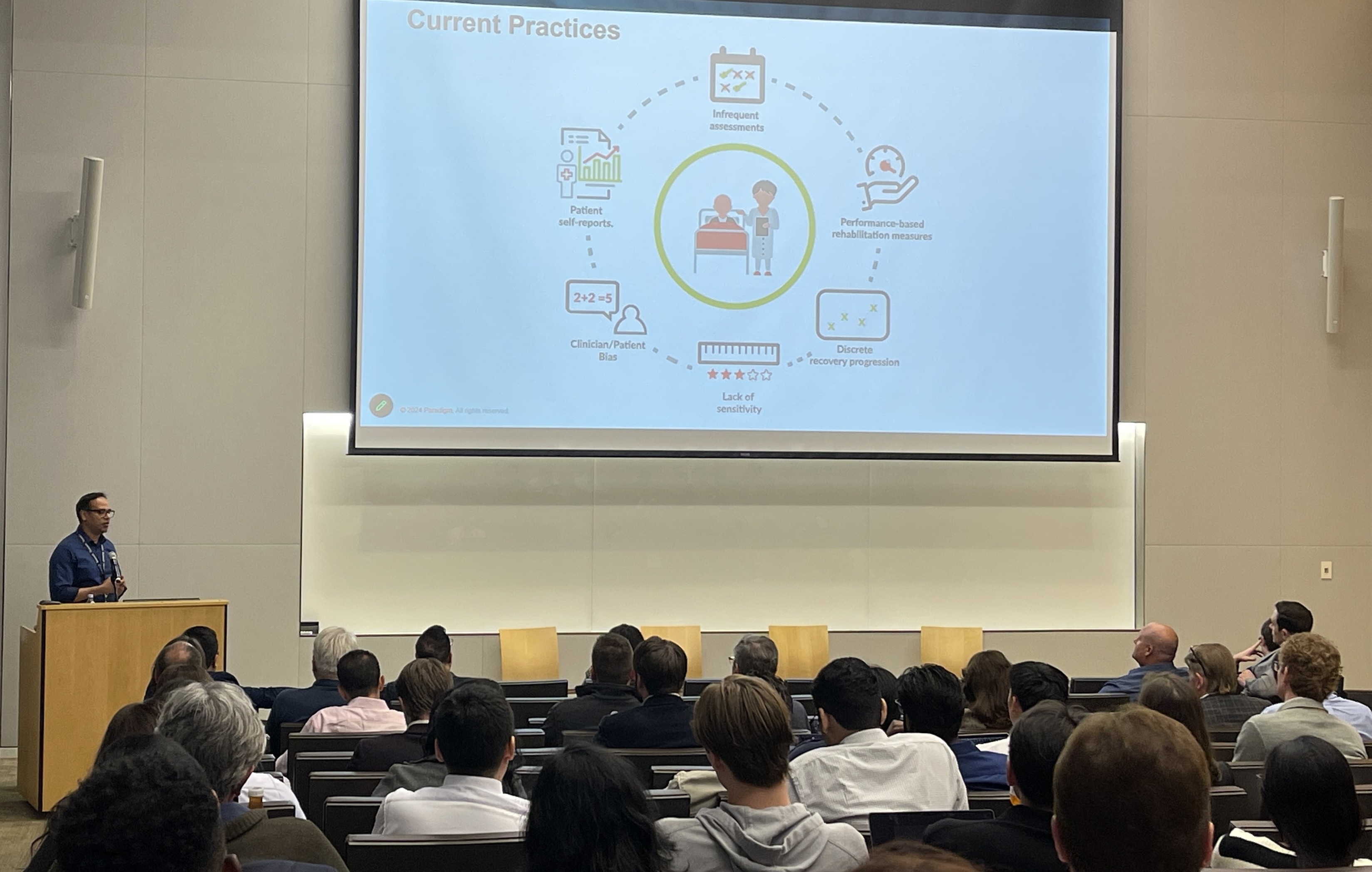
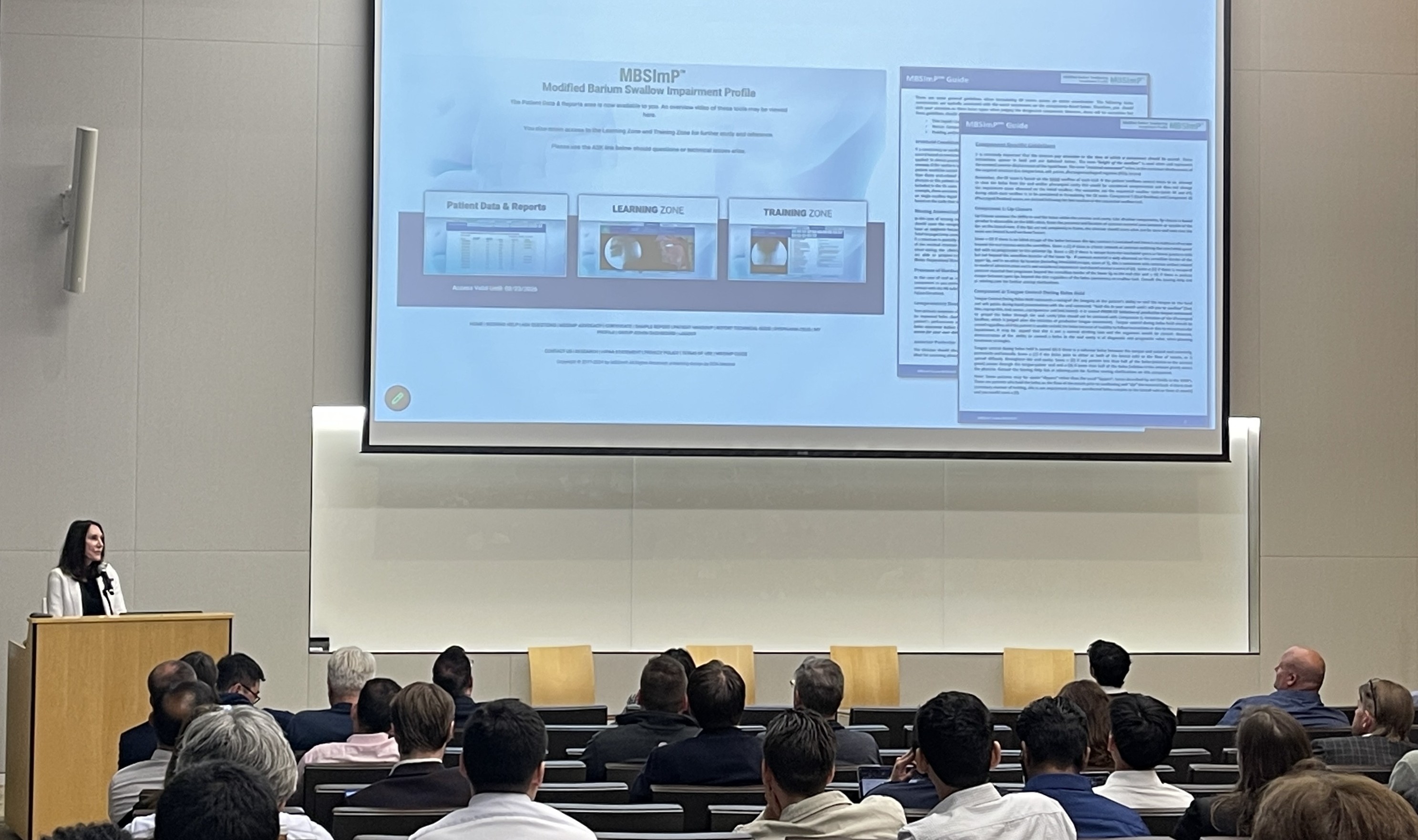
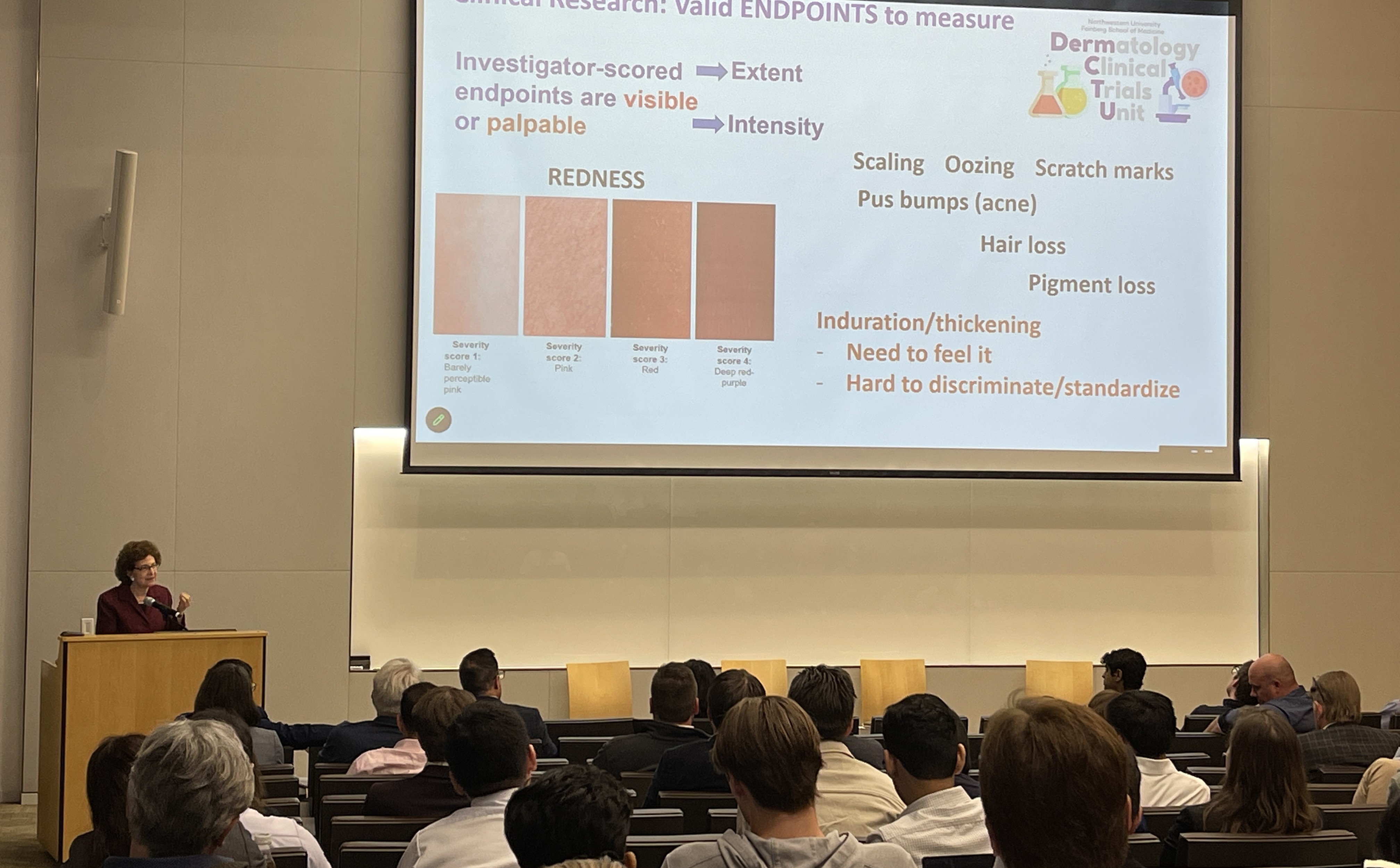
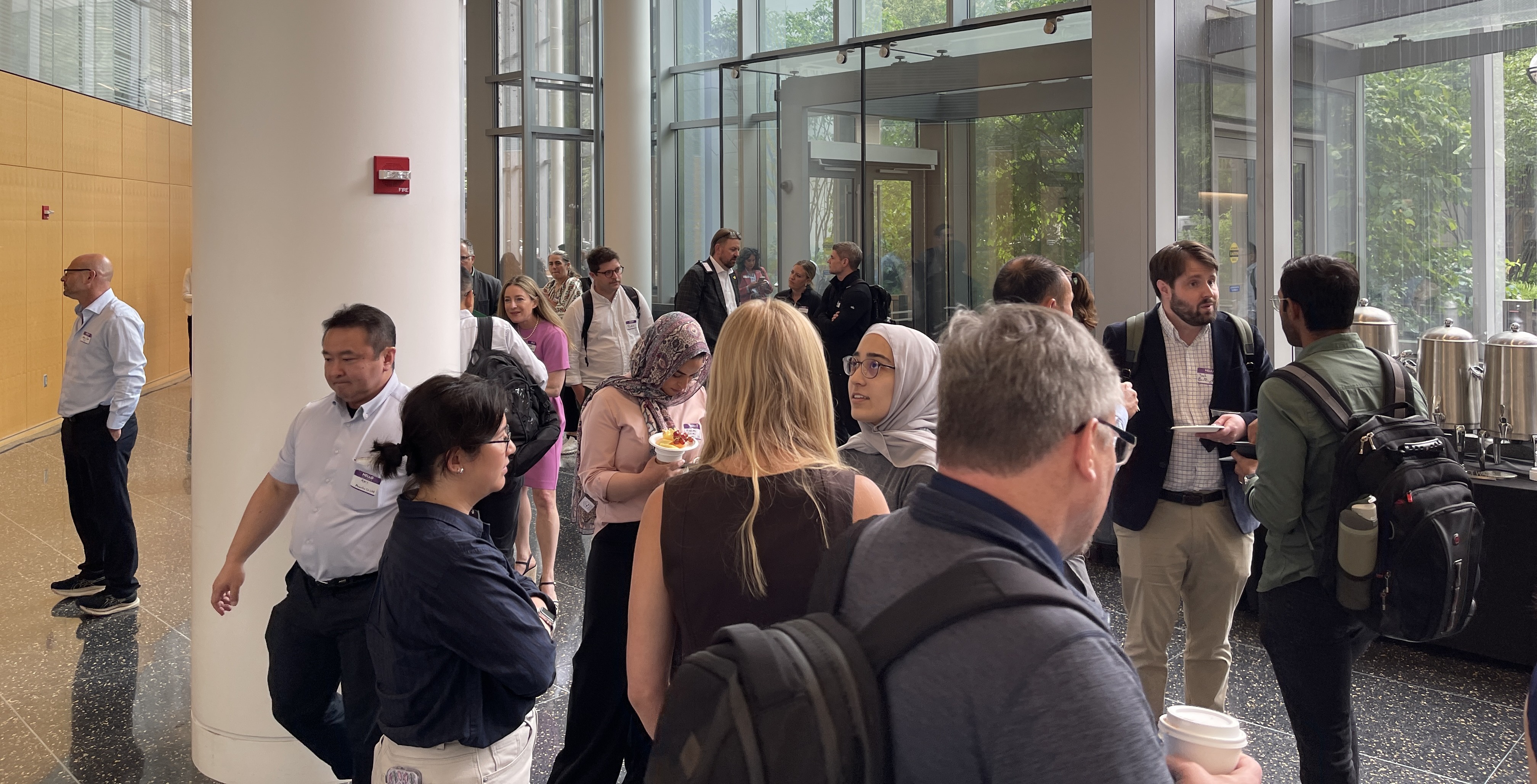
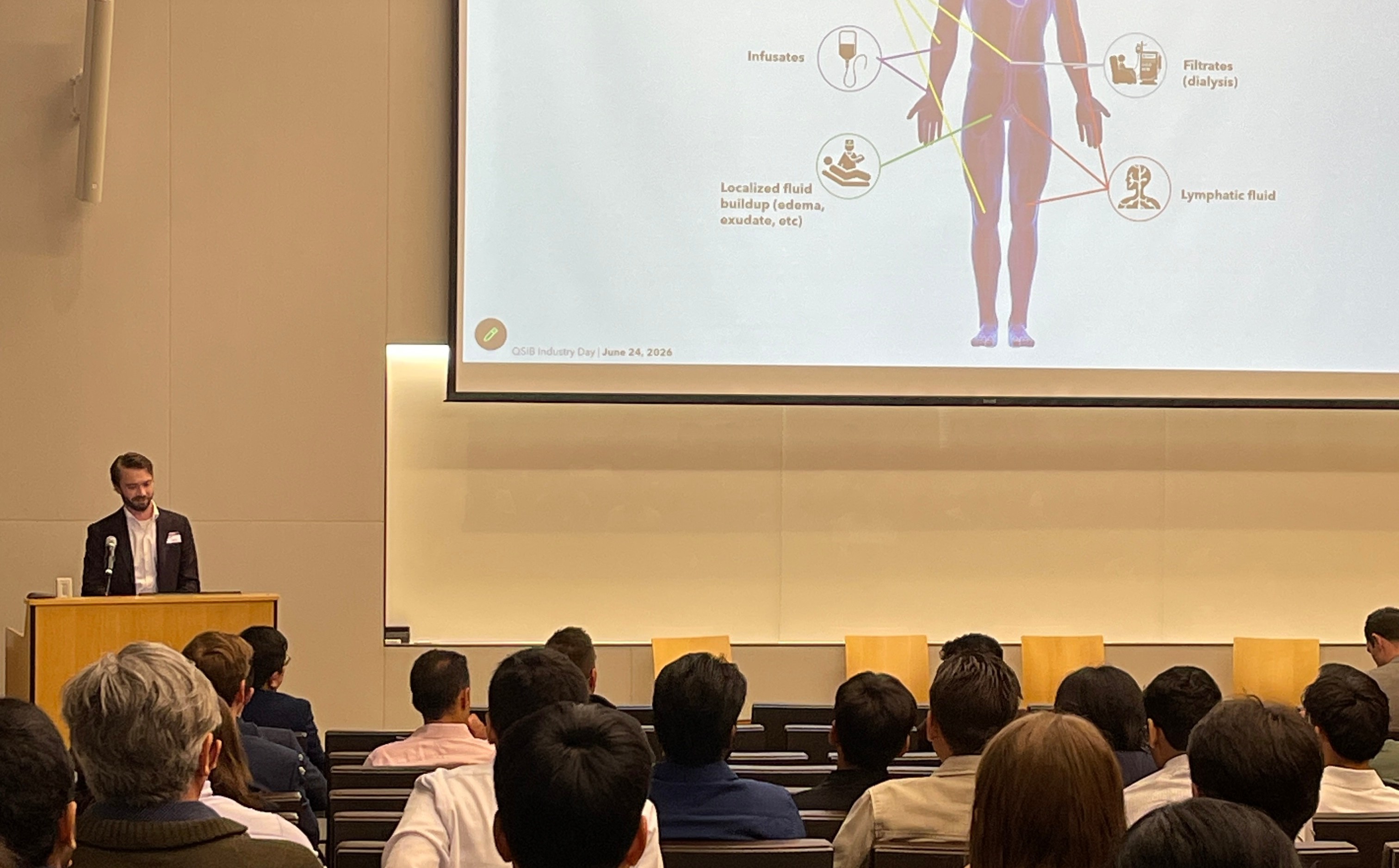
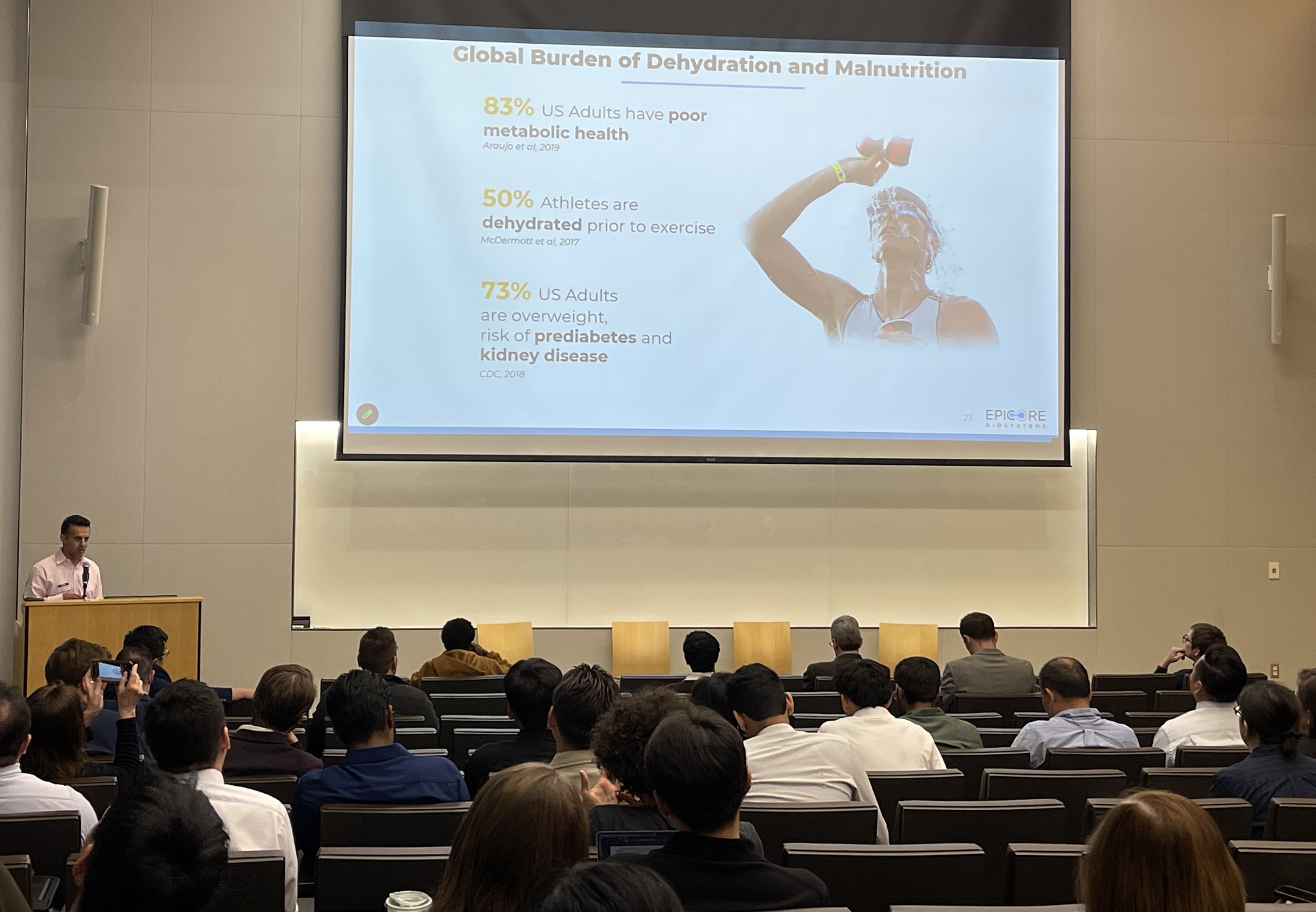
The Advanced Wearables and the Future of Clinical Trials event featured several speakers that discussed innovation in wearable sensing, insights from the clinical space, and strategic perspectives from the industry side. It was held on June 24th, 2026 at the Simpson Querrey Biomedical Research Center in Chicago, IL.