|
|
| 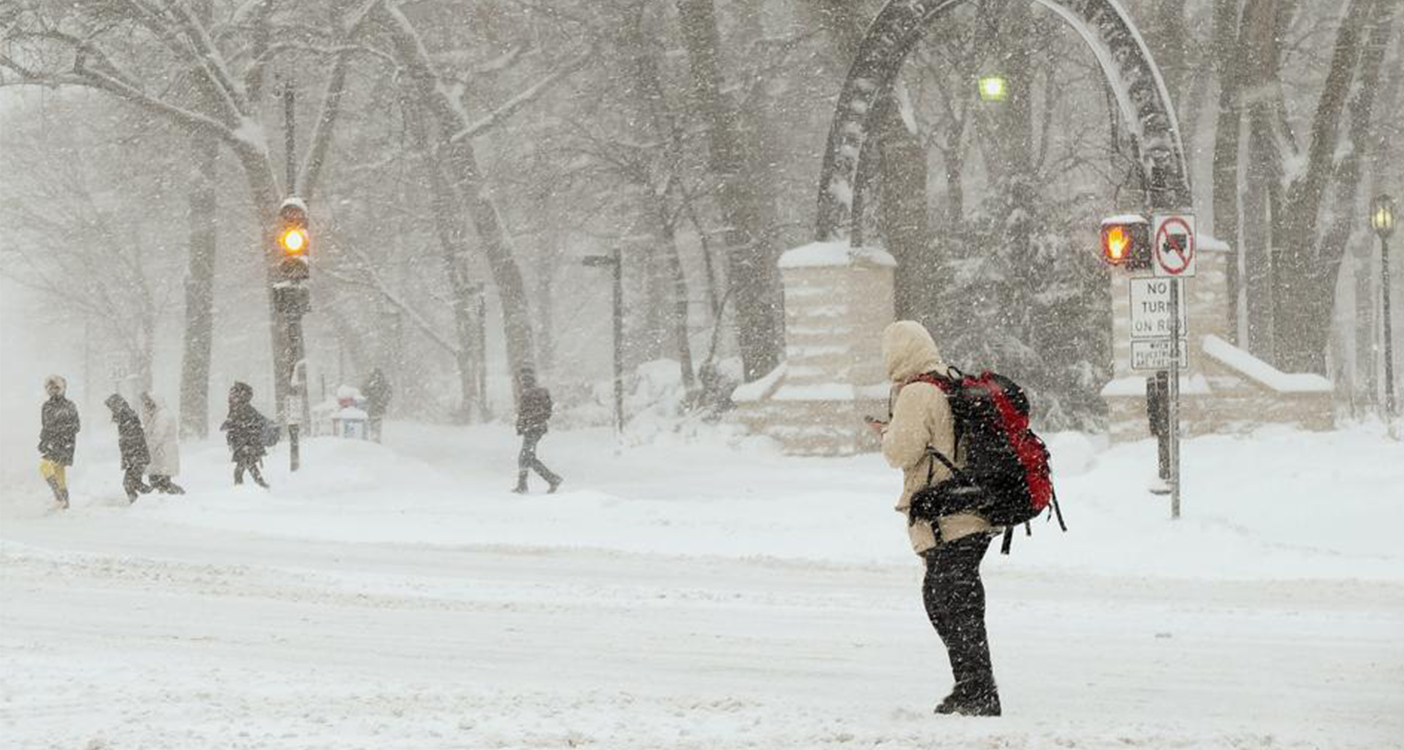 | Winter ReadinessAs the winter season settles in here at Northwestern, the shift in weather requires a shift in our daily operational mindset. While our Facilities teams work tirelessly to clear paths and maintain buildings, individual preparedness is the key to a safe season. Whether you are working onsite or managing a hybrid schedule, here is what you need to know. |
|
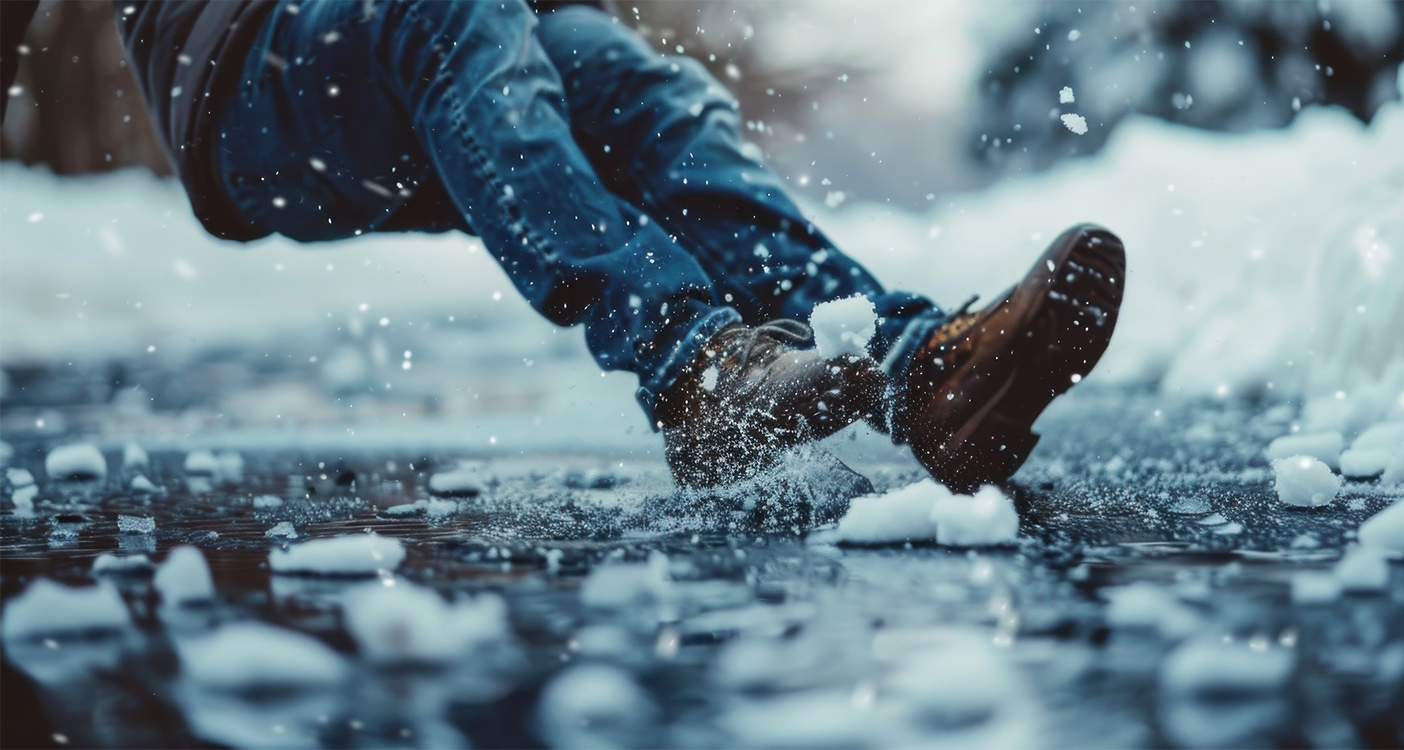
| The 'penguin walk'Slips, trips, and falls are the primary sources of workplace injuries. The U.S. Bureau of Labor Statistics (BLS) reports more than 20,000 people suffer snow- or ice-related injuries annually. Whether you are walking from the parking lot to your office, moving between campus buildings, or performing essential outdoor work, adopt the penguin walk to maintain stability:
- Center of gravity: Keep your torso directly over your feet rather than leaning forward.
- Flat-footed steps: Take short steps and place your whole foot down at once to maximize contact with the ground.
- Hands free: Keep your hands out of your pockets to help maintain balance.
It is important to wear proper waterproof footwear with good traction and insulation while outside in the cold. |
|
|
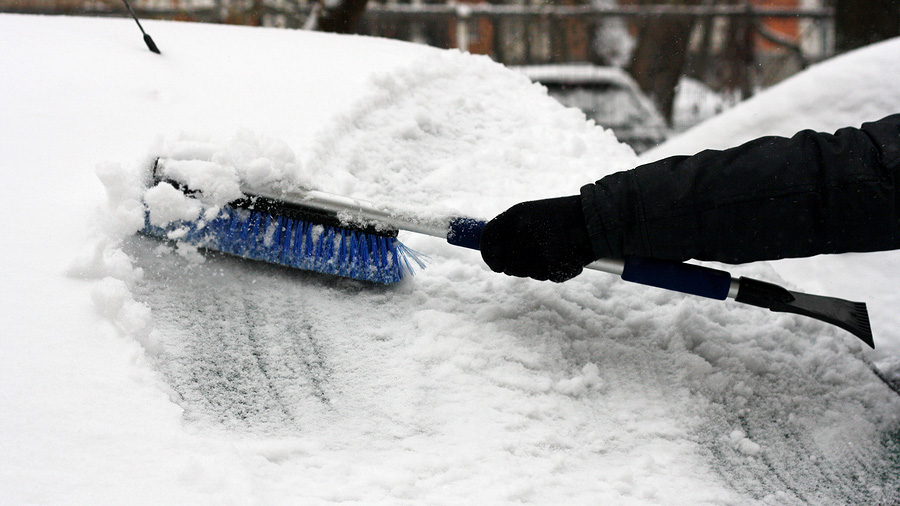
| Winter driving essentialsRoad hazards increase significantly during the winter due to ice, snow, and reduced visibility. According to the U.S. Department of Transportation, 24% of weather-related vehicle crashes occur, and more than 116,800 people are injured annually in these conditions. From Facilities trucks to Intercampus shuttles, the University relies on a vast fleet to keep operations moving. Whether you are driving a University vehicle across campus or commuting in your personal car, keep these essential safety tips in mind to ensure safe driving.
- The 3-second rule becomes the 8-second rule: The standard 3-second following distance is not enough for winter conditions. Slow down and allow significantly more space between your car and the one ahead.
- Strategic routing: Plan your route before you drive and avoid taking unnecessary trips. When you must travel, find the safest route by sticking to main, well-lit roads and intersections that are more likely to be plowed and salted.
- Proper maintenance: Make sure your vehicle is properly maintained and that tires have sufficient tread to handle slippery roads.
- Visibility is non-negotiable: It is critical to ensure your visibility is not blocked or reduced by clearing all ice and snow off your windows before driving.
|
|
|
| Did you know?You may have heard that you lose about half of your body heat through your head. Safety data confirms that 40% of the body’s heat can be lost when your head is exposed. A hat remains your most efficient tool for heat retention.
However, do not neglect other areas. In cold temperatures, your body constricts blood vessels to protect your vital organs, making extremities like fingers and toes more vulnerable to frostbite. |
|
| The science of cold stressA cold work environment forces the body to work harder to maintain its core temperature of 98.6°F. It’s important to check the local forecast regularly so you know what conditions to expect. If your work is outdoors, it is vital to recognize the three major cold injuries.
- Frostbite is caused by freezing of the skin and underlying tissues.
- Warning signs: Redness or pain in the skin, followed by white or grayish-yellow skin. The skin may feel unusually firm or waxy, accompanied by numbness.
- Action: Frostbite can occur in minutes in extremely cold temperatures. Seek warm shelter immediately.
- Hypothermia occurs when the body uses up its stored energy and can no longer produce heat.
- Warning signs: Shivering, exhaustion, confusion, fumbling hands, memory loss, slurred speech, and drowsiness.
- Action: This is a medical emergency. Call 911 immediately.
- Trench foot is a less common but dangerous injury caused by prolonged exposure to wet and cold conditions. Surprisingly, trench foot can occur in temperatures as high as 60°F if the feet are wet.
- Warning signs: Reddening skin, tingling, numbness, pain, swelling, leg cramps, and blisters.
- Action: Remove wet shoes and socks immediately, dry the feet carefully, and seek medical attention.
To prevent cold stress injuries from occurring, wear several layers of clothing for insulation, keep an extra pair of socks available to stay dry, remain hydrated by drinking plenty of warm beverages, and take frequent breaks in warm, dry areas when working outdoors. |
|
| TrainingIf your job requires working in cold environments, ensure you are up-to-date on your annual Cold Stress in the Workplace training in myHR Learn. | |
|
| Do you want to learn more? |
|
|
|
|