| VIEW IN BROWSER | |
| |
Spotlight on Safety | |
| VOLUME 10, ISSUE 4 | APRIL 2026 |

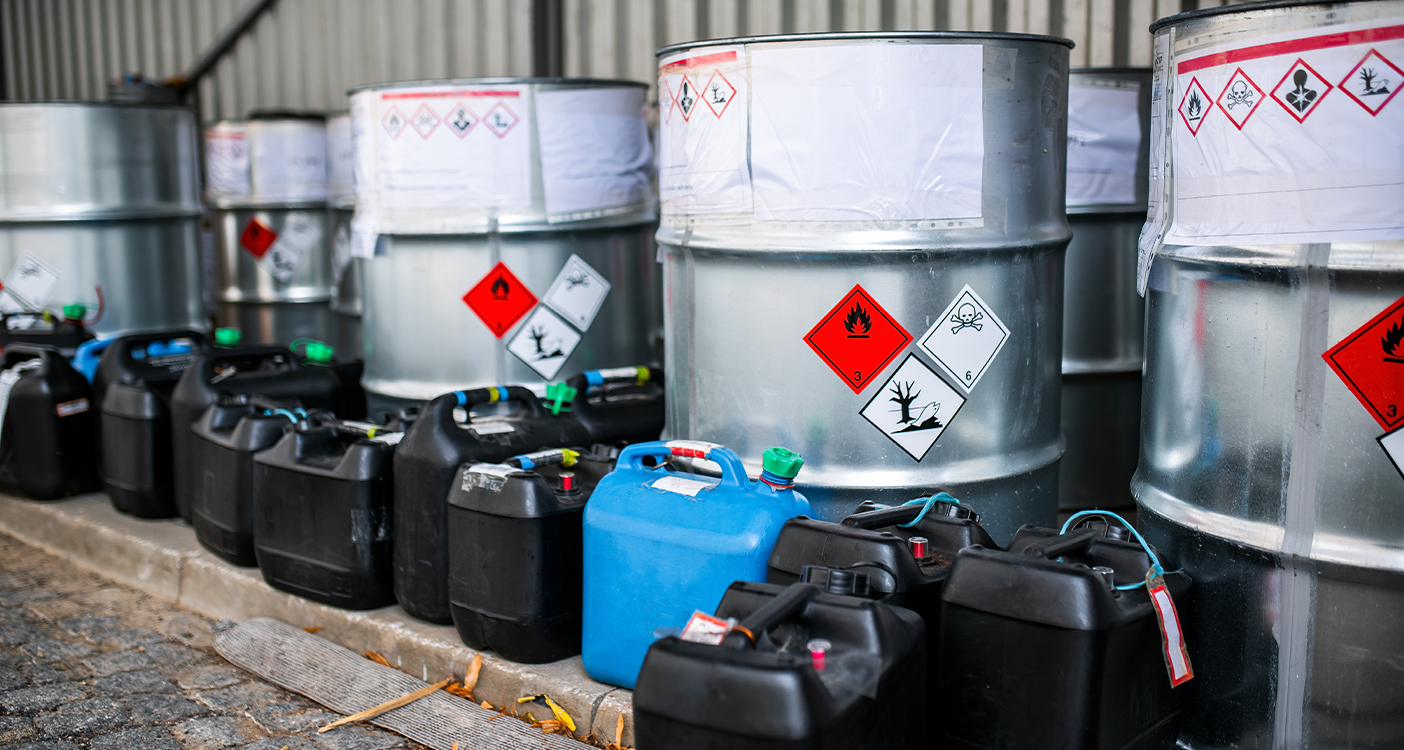 | |||
Hazardous WasteMany activities on the Northwestern campus generate waste that can cause harm to community members and the environment if it is not managed properly. For this reason, some wastes, known as hazardous and universal waste, are subject to special requirements regarding their handling and disposal and cannot be put in the regular trash. Knowing how to identify and handle hazardous and universal waste is critical to ensure compliance and protect your health, the health of our campus community and the environment. The Northwestern Hazardous Waste Program provides procedures regarding how and where to safely handle, store and dispose of hazardous and universal waste in non-research areas. If required by your school or unit, make sure you are up to date on your annual Hazardous Waste Awareness training in myHR Learn. | |||
|
Identifying hazardous and universal wasteMany wastes (e.g., paper, pens, dried latex paint, empty containers of general cleaning products) can safely be disposed of in the regular trash or recycling bin without a second thought. However, the U.S. Environmental Protection Agency (EPA), defines certain wastes as "hazardous waste" or "universal waste," which are subject to more stringent requirements. "Hazardous waste" includes wastes from certain industrial processes and wastes with certain hazardous characteristics (i.e., ignitability, reactivity, toxicity, and corrosivity). Common examples of hazardous waste in non-research areas include:
"Universal waste" is a sub-category of common hazardous wastes that can safely undergo treatment or recycling, such as:
Hazardous and universal waste must never be placed in the regular trash or stored in a way where it could be mistaken as regular trash. |
Waste accumulation areasHazardous and universal waste on campus is managed by the Northwestern on-site vendor and trained departmental hazardous waste coordinators. Waste in non-research areas is collected in specialized containers in Satellite Accumulation Areas (located close to shops and other points of generation), Centralized Accumulations Areas (i.e., an area that collects the waste of an entire building) and Universal Waste Accumulation Areas. These areas are marked with signage and ensure that waste is properly labeled and stored away from ignition or heat sources, drains or sewers and any materials, equipment or processes that could create a hazard in the event of a release. Maps showing the locations of these accumulation areas can be found on the Northwestern Hazardous Waste page. If you are not sure where to dispose of your hazardous or universal waste, contact your department's hazardous waste coordinator or Northwestern Environmental Health and Safety (EHS). |
Did you know?Even seemingly harmless items, like AA batteries or used aerosol cans can cause fires or explosions in garbage trucks or recycling facilities under the right conditions. That's one reason why it is so important to store and dispose of these properly! |
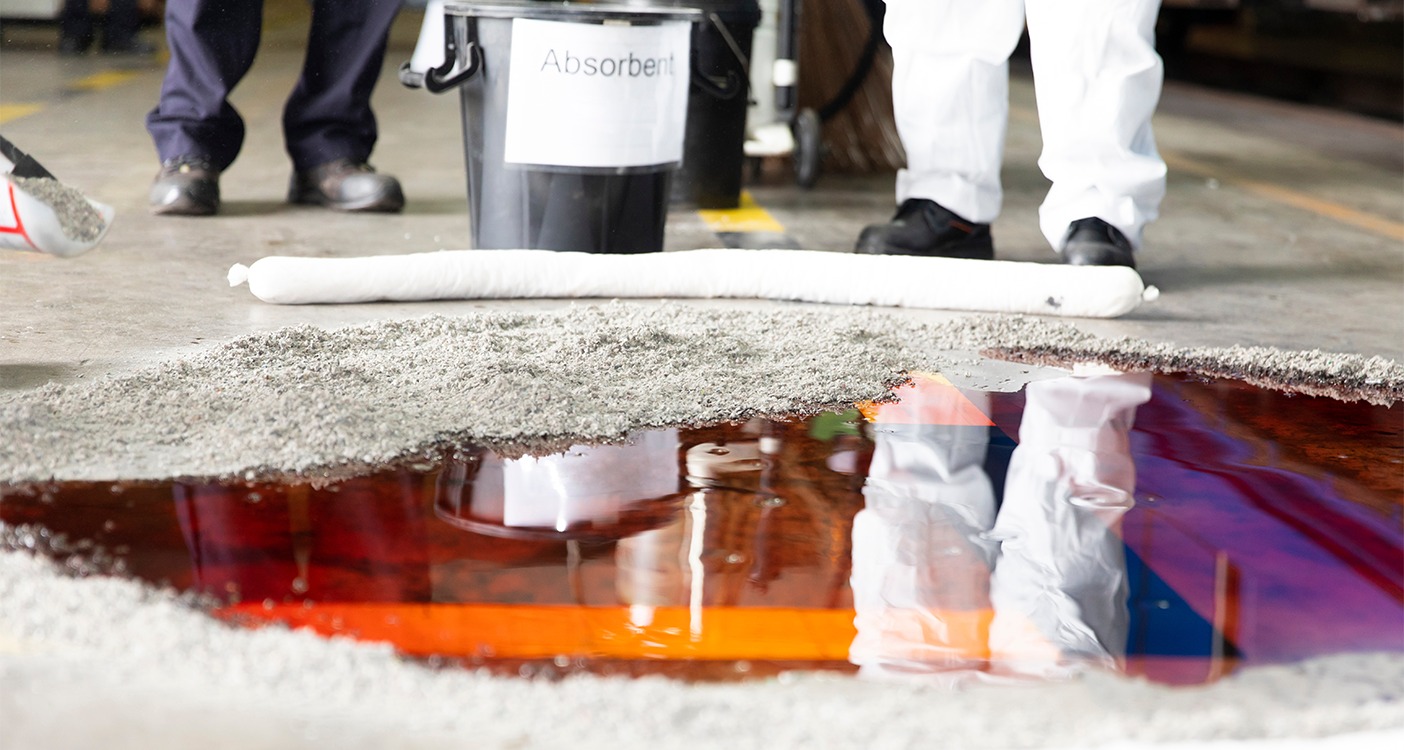 |
Responding to spillsIf you encounter a spill or release of a known hazardous substance or unknown material, don't try to clean it up unless you are trained and authorized to do so. Immediately leave the area and attempt to prevent others from entering if it is safe to do so. If you believe the release poses an immediate threat to health or safety, call 911. Immediately report the spill to your supervisor, EHS (in non-research areas) or Research Safety (in research areas). If you are trained and authorized to respond to a release, refer to the Safety Data Sheet (SDS) for the material in question for detailed information regarding spill response procedures and necessary personal protective equipment (PPE), such as:
In research areas (e.g., laboratories), refer to the Laboratory Safety and Chemical Hygiene Plan. Spill response kits, which include absorbent materials and other supplies, are located at each accumulation area and other spaces with hazardous materials, such as mechanical rooms. Special care must be taken (e.g., plugging drains) to prevent hazardous materials from entering drains or sewers where they could impact local waterways. |
Do you want to learn more?
|
|
|
|
|
We want your feedback! Please complete this brief anonymous survey. Do you have a safety story you'd like to share? If so, please contact ehs@northwestern.edu. |
