| VIEW IN BROWSER | NEWS.NORTHWESTERN.EDU |
| research & innovation |

| July 14, 2026 |
Welcome back to our monthly newsletter highlighting Northwestern research and innovation. In this issue, read about the University’s response to proposed changes in federal grantmaking, as well as breakthroughs in cancer treatment, water safety and space exploration. Also, as America marks 250 years, read what some Northwestern experts had to say about our national origin story. |
Northwestern responds to proposed federal grant changes |
Yesterday, Northwestern submitted its response to the U.S. Office of Management and Budget’s proposed revision to the federal grantmaking framework, which could have significant implications for the administration of federally funded research across disciplines. Read the submission on Northwestern’s Responding to Federal Policies website. |
 |
Blood test spots hidden pancreatic cancer after treatment |
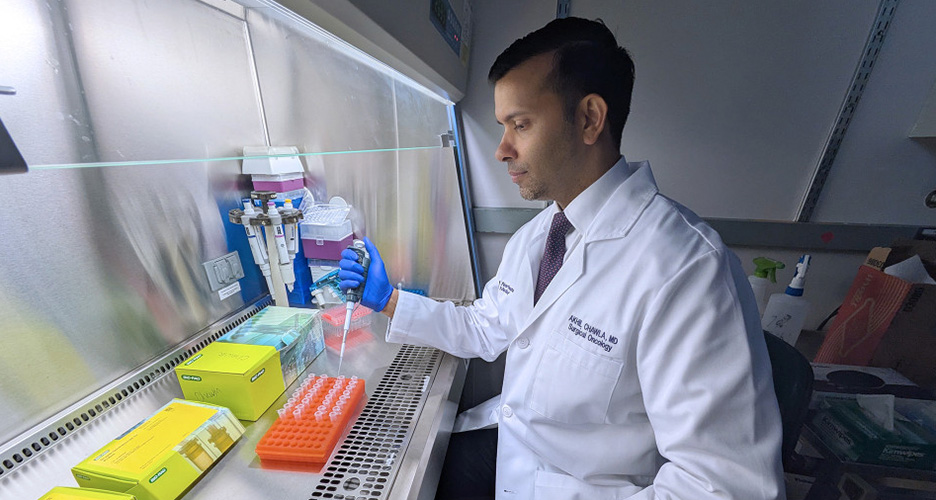
Northwestern Medicine scientists have demonstrated that a highly sensitive blood test can detect traces of pancreatic cancer missed by standard testing, potentially helping physicians identify patients whose disease is more likely to return even when scans appear reassuring. |
 |
Northwestern launches the Thriving Planet Institute |
Earth’s sustainability challenges are naturally intertwined and emerging faster than ever. To help meet the moment, Northwestern has launched a new institute where researchers can work across sectors on problems related to health and well-being, especially for those facing structural barriers and environmental burdens. |
 |
Medicare begins covering GLP-1s for seniors. What does it mean for patients? |
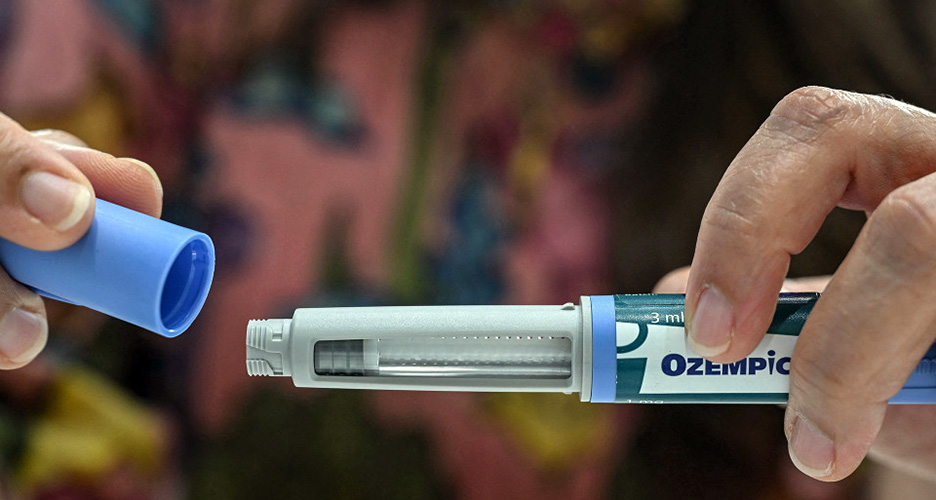
This month the Centers for Medicare and Medicaid Services began allowing millions of eligible seniors to potentially access GLP-1 medications for a $50 monthly copayment under a pilot program. Northwestern Now spoke to experts about what this could mean for patients. |
More research news |
• Apple unveiled a new accessibility feature — using Northwestern technology — that enables users to control powered wheelchairs with their eyes. • Mice, like humans, can take a single sniff to deliberately probe their environment — something scientists previously did not know. • Why do plastic products linger for so long in our natural waterways? Researchers found an unexpected answer. • Using the James Webb Space Telescope, astronomers have discovered salt clouds surrounding one of the coldest objects ever studied. • In a new study, researchers found that most proposed U.S. lithium mines — many located in already parched areas — could face significant water shortages. |
| Space |
 |
A glimpse into our solar system’s future: Astronomers have discovered how a giant planet survived its star’s death. |
|
 Americans have been fighting about the Revolution’s meaning ever since the Revolution itself.”
|
|


|
