MS-RSM Thesis Student Prepares to Graduate
As you become a bit more independent, you can see how much you’ve grown as a scientist during the program. It allows you to delve deeper and think outside the box.”
Vanessa Rosa
With the end of Winter quarter comes a change in temperatures, a change in time in the States, and a change in our students' lives. In particular, our three second-year thesis-track students have all successfully written and defended their theses for the successful completion of the Master's of Science in Reproductive Science and Medicine. Over the next few weeks, as we rapidly become agile and dexterous on tele-education and video-conferencing, we will showcase a few of our students and celebrate their many accomplishments!
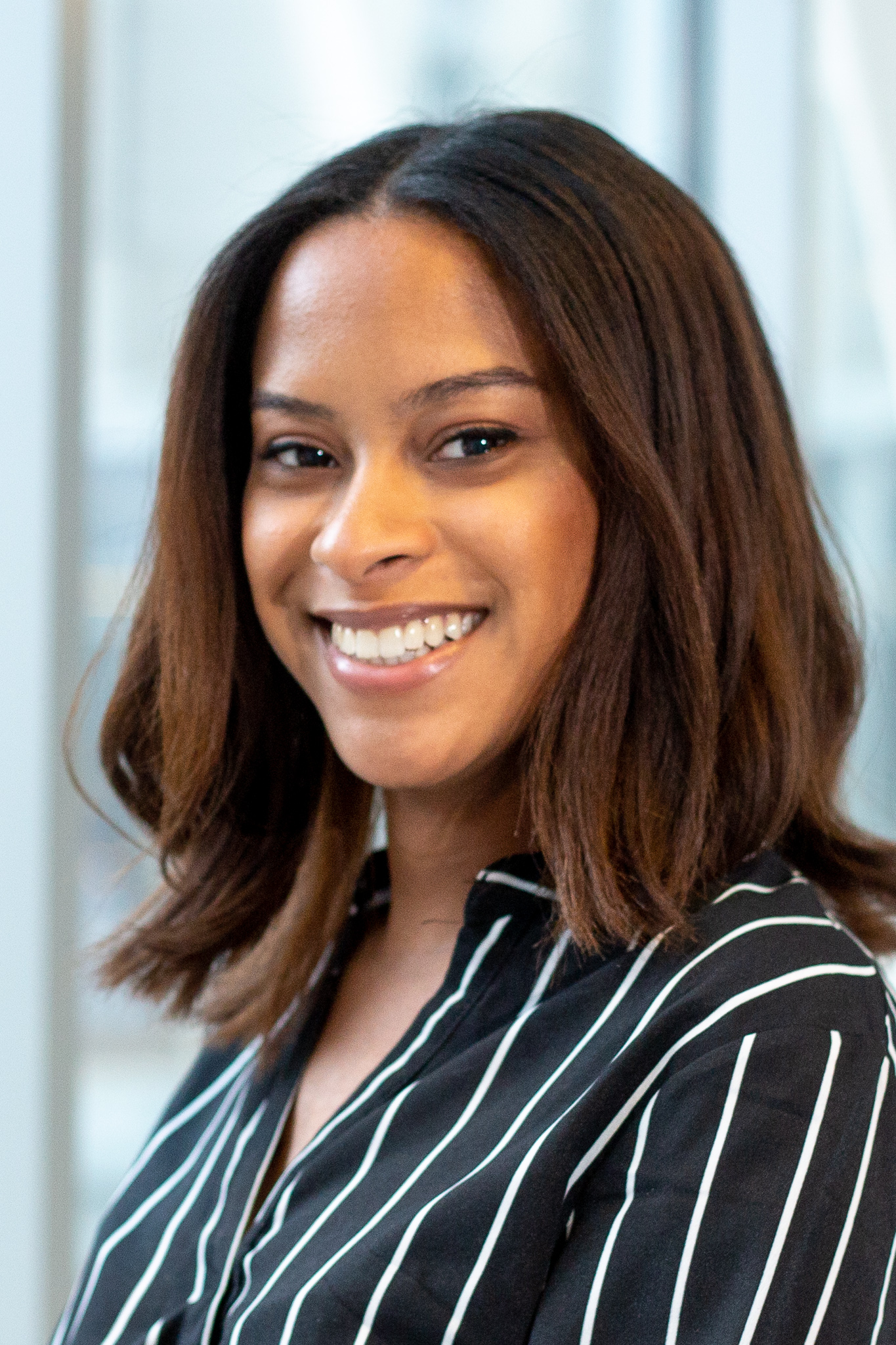
Name: Vanessa Rosa
Undergraduate Institution: College of New Rochelle
Undergraduate Major: Biology
Thesis Title: Investigating the Role of Notch Signaling in Ovarian Granulosa Cell Function
Thesis Mentor: Kelly Mayo
- What initially drew you to the MS-RSM program?
From a young age, my mother would always talk about her struggle with infertility and how her desire to start a family of her own inspired her to seek out the help of medical professionals. In the search for an answer, she was often stigmatized by the Hispanic community for seeking out unconventional alternatives for starting a family. However, despite this, she persisted, and her curiosity led her to an information session at Mount Sinai Hospital in New York City. With the little English she knew, she tried to get the attention of any infertility specialist who was willing to speak with her. After many attempts, someone did and eventually pointed her in the right direction. Although her journey was met with lots of uncertainty and backlash from friends and family, she continued to advocate for her reproductive rights and in a few short years, she gave birth to triplets in that very same hospital!
Hearing my mother’s story growing up has left me fascinated and intrigued by the complexity and beauty of the reproductive system. Prior to matriculating into the program, I enrolled in an online course entitled the Basics of Reproduction on Coursera. This introductory course was taught by the wonderful Dr. Teresa Woodruff who continued that spark within me to delve deeper into this subject. At the end of the course, she left a link to the master’s program and after browsing through the site, the program seemed like the perfect fit for me. It would allow me to learn more about reproduction, and also take part in the research effort to not only study reproductive disorders and their underlying mechanisms but also be able to communicate that knowledge to the general public.
- Which course(s) did you find most valuable to your training as a reproductive scientist?
I believe all the courses were valuable to my training as a reproductive scientist, however, the course I found to be the most eye-opening was Reproductive Health & Disease, which focused on the reproductive anomalies that affect the quality of life. Furthermore, I was shocked at the lack of African American and Hispanic representation in the cases we studied. Now there may be many reasons as to why that was the case. However, I strongly believe that needs to change. The study of reproductive diseases must be representative of a diverse population in order to create a much clearer picture of the underlying disorders that affect reproductive function. As a minority, I believe it is important to expand reproductive research to highlight any similarities and/or differences in reproductive function between racial and ethnic groups.
3. Which event(s) did you find most interesting and/or valuable?
I found Reproductive Research Updates (RRU) the most interesting because it allowed you to take a peek into what projects other reproductive labs at Northwestern were working on. In addition, it helped to solidify my understanding of concepts taught in class and be able to translate that knowledge in the laboratory setting.
4. What did you enjoy about working in your specific lab?
What I enjoyed most about working in the Mayo Lab was the sense of teamwork, but at the same time, it allowed you to grow independently. It was also a small lab, and this allowed me to grow independently. I often found myself staying late at night or over the weekend to refine my skills and, as you become a bit more independent, you can see how much you’ve grown as a scientist during the program. It allows you to delve deeper and think outside the box. My advisor was extremely patient with me, which I appreciated.
How do you feel you have changed the most during your time in this program?
Wow, this is definitely a loaded question! Starting out, I honestly didn’t know what to expect. Unlike most of the students, I did struggle a lot with interpreting data and discussing scientific literature, and public speaking. The program forced me to get out of my comfort zone and helped me to simultaneously enhance certain skills while developing new ones along the way. A lot of my growth in the program is attributed to the connections I’ve made with my colleagues and faculty who have taken the time to instruct me and guide me these past few years. With that said, I have grown so much as a person and scientist because of the MS-RSM.
6. What advice would you give to current applicants as well as current MS-RSM students?
Learn to find strength in your failures. Truth is, you will become a much better scientist when you acknowledge that your failures aren’t setbacks, instead, they help you figure out the solution to a problem and master it. I have failed numerous times, and trust me it made me feel incompetent, and I questioned my ability to succeed while in the program. Yet, despite what I felt, I knew there was only room for improvement. Learning from my experiences has helped shape me into a well-rounded scientist, and if failing is what it takes for me to see that, then learning to embrace my failures will only benefit me in the long run.
7. What are your future plans? What will you be doing between now and June?
I plan to apply to MD and MD/PhD programs this cycle and am currently preparing to take the MCAT in May. In the near future, I would like to become a Reproductive Endocrinologist. I plan to bridge the gap in our current understanding of reproductive disorders affecting women of color, as well as improve the quality of care provided to underrepresented minorities in my local community and abroad.