MS-RSM Graduate looks back at the non-thesis track
By hearing from health practitioners and professors actively working in the field, I gained a real world understanding of the complexities of reproductive and sexual health diseases in a clinical setting. ”
Sarah Khan
Throughout these past months, as this year's class of MS-RSM students have completed their degrees, having fulfilled the requirements for graduation, and are preparing for what awaits them in the future, we continue showcasing them and celebrating their many accomplishments!
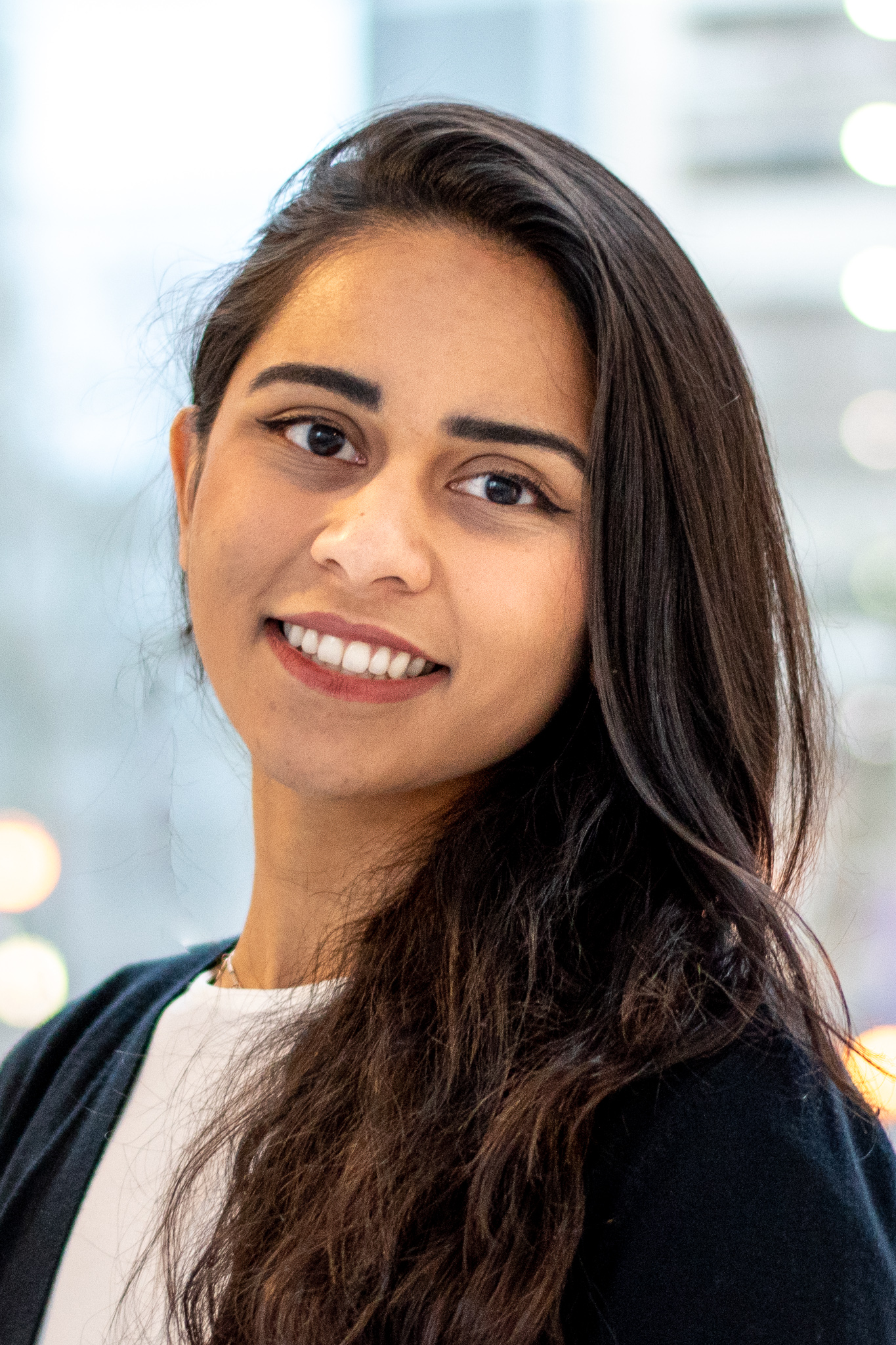
Name: Sarah Khan
Undergraduate Institution: Northwestern University
Undergraduate Major: Neuroscience and Medical Sciences
- What initially drew you to the MS-RSM program?
After completing my bachelor's degree, I searched for a graduate program that would encompass my passion in woman's health, advocacy and research. Being a Northwestern alum, I started off my search here! Fortunately, I came across the MS-RSM program, and I fell in love with the program and the CRS mission, which led me to apply immediately!
- Which course(s) did you find most valuable to your training as a reproductive scientist?
I found the "Human and Reproductive Health and Disease" course most valuable to my training as a reproductive scientist. This course allowed me to apply the molecular mechanisms I learned from the male/female physiology courses in the fall to a clinical setting. By hearing from health practitioners and professors actively working in the field, I gained a real world understanding of the complexities of reproductive and sexual health diseases in a clinical setting. This experience was monumental in my ambitions to pursue a field in a clinical setting!
- Which event(s) did you find most interesting and/or valuable?
I found the Annual Oncofertility Consortium Conference and ISRS to be the most valuable events for me this year. It was inspiring to listen to and network with talented individuals from around the world. Many of the topics the speakers discussed were areas I was interested in. Therefore, I benefited from their opinions and updates of their work in areas like fertility preservation, ovarian regeneration, and reproductive legislation. Because the reproductive and sexual field is so vast, I was able to learn new topics and areas of research that I may not have been exposed to by solely the graduate courses. For these reasons, I found the conferences incredibly valuable to my growth as a reproductive scientist.
4. How do you feel you have changed the most during your time in this program?
Over the course of the program, I have become confident in my research skills. Initially, I was nervous, questioning my ability to communicate scientifically, comprehend research documents, or troubleshoot laboratory protocols. Now, I feel prepared and eager to utilize my passions in scientific inquiry for the reproductive and sexual health field.
5. What advice would you give to current applicants as well as current MS-RSM students?
I would encourage current students to take advantage of the opportunities the program provides, and to not be hesitant to seek out more with the program's help. Program directors and mentors are there to support you, so take advantage of that! It never hurts to ask.
6. What are your future plans?
I will be working with the non-profit organization HER Pakistan as a USA Chapter Lead. I am super excited to utilize my knowledge and experiences I gained during the MS-RSM program to advocate for sexual health education courses in Pakistan!
7. Could you describe the research you are currently working on?
Title: 'Notch and Estrogen Crosstalk in Ovarian Granulosa Cells'
Description: Investigating the transcriptional regulatory mechanisms underlying notch and estrogen signaling pathway interplay in granulosa cells
8. Do you have any notable memories or experiences from the program?
I experienced many notable moments with my lab partner, Mackenzie. We failed experiments quite often, but we never seemed to fail on making a joke and moving forward in our project goals. Furthermore, both of us grew up in vastly different areas and come from differing backgrounds, but we never hesitated to learn more about each other's identities, experiences, cultures, and families. I remember this one time during lab, I showed Mackenzie a couple of funny YouTube videos about Muslim culture and she laughed, wanting to learn more. That moment definitely touched me!