Open Discussion on Community Engagement
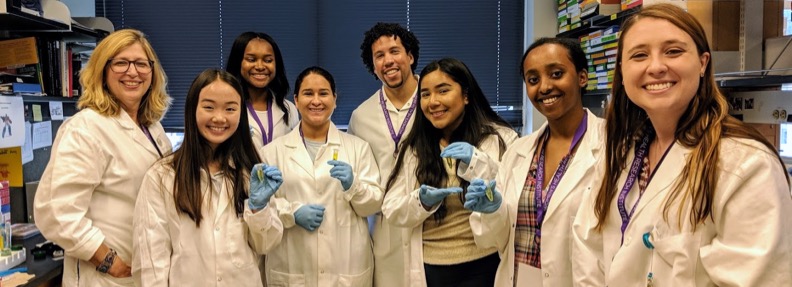
This past month, CRS held an open discussion on ways that our CRS community can enhance and expand our community engagement initiatives. Faculty, trainees, and staff participated in an active and energizing discussion that brought forth many great ideas.
The discussion started with Dr. Michael Kennedy from the Science in Society Program, who presented on his center’s initiatives on science communication and education for underserved youth, and developing sustainable and equitable partnerships with community organizations that work with underserved populations. Dr. Kennedy’s insights about long-term, holistic mentorship of school-age students and the lasting impacts these relationships have on both the students and the mentors highlight an urgent need in science education and community engagement, as well as the importance of strategically matching the assets of us in higher education to those of the communities with whom we wish to work.
Subsequently, CRS MS-RSM students Ashley Diaz and Karen Velez brought forth actionable ideas for CRS engagement. Karen echoed Dr. Kennedy’s comments on the importance of building sustainable mentorship programs that partner university students with mentees in underprivileged communities. Additionally, Karen proposed that science communication should reach a broader audience to demystify what a scientist is and to communicate science concepts via interactive content such as widely accessible Instagram videos of “what we do” and “A Day in the Life of a Reproductive Scientist”. Ashley’s passion for building community partnerships to meet resource needs was also evident, as she proposed collaborating with community-based organizations to facilitate resource drives for shelters and after-school programs, especially with regard to reproductive healthcare and wellbeing. An overall consensus emerged on the link between reproductive health and socio-political issues such as domestic violence. As such, the group agreed to broaden our engagement efforts to include programs and organizations that work with people who have experienced those issues.
Overall, it is abundantly clear that our CRS community has much work to do to bolster our community engagement activities. To serve as a framework for the many ideas expressed at this meeting and to utilize existing programs at NU and the Chicagoland area, CRS leadership proposed a tripartite engagement plan on efforts in mentorship, science communication, and community partnerships.
The engine that drives these initiatives is composed of CRS community members. To get involved in these ongoing efforts, please contact CRS at crs@northwestern.edu and help bring action to our words.
Slides from the Community Engagement open discussion.