MS-RSM Student Looks forward to graduation and back at the non-thesis track
The networking I did at Northwestern created many opportunities for me, and led to job interviews, my involvement in research projects, and the chance to see my first surgery!”
Noelle Ozimek
With the advent of Spring quarter comes a change in temperatures, a change in time in the States, and a change in our students' lives. In particular, our non-thesis track students are attending intensive online classes, completing the requirements for graduation (including a rigorous, comprehensive final exam), and preparing for what awaits them in late June - fantastic new academic and career opportunities made available to them by their completion of Master's of Science in Reproductive Science and Medicine. Over the next few weeks, as we continue gaining agility and dexterity on tele-education and video-conferencing, we will showcase our students and celebrate their many accomplishments!
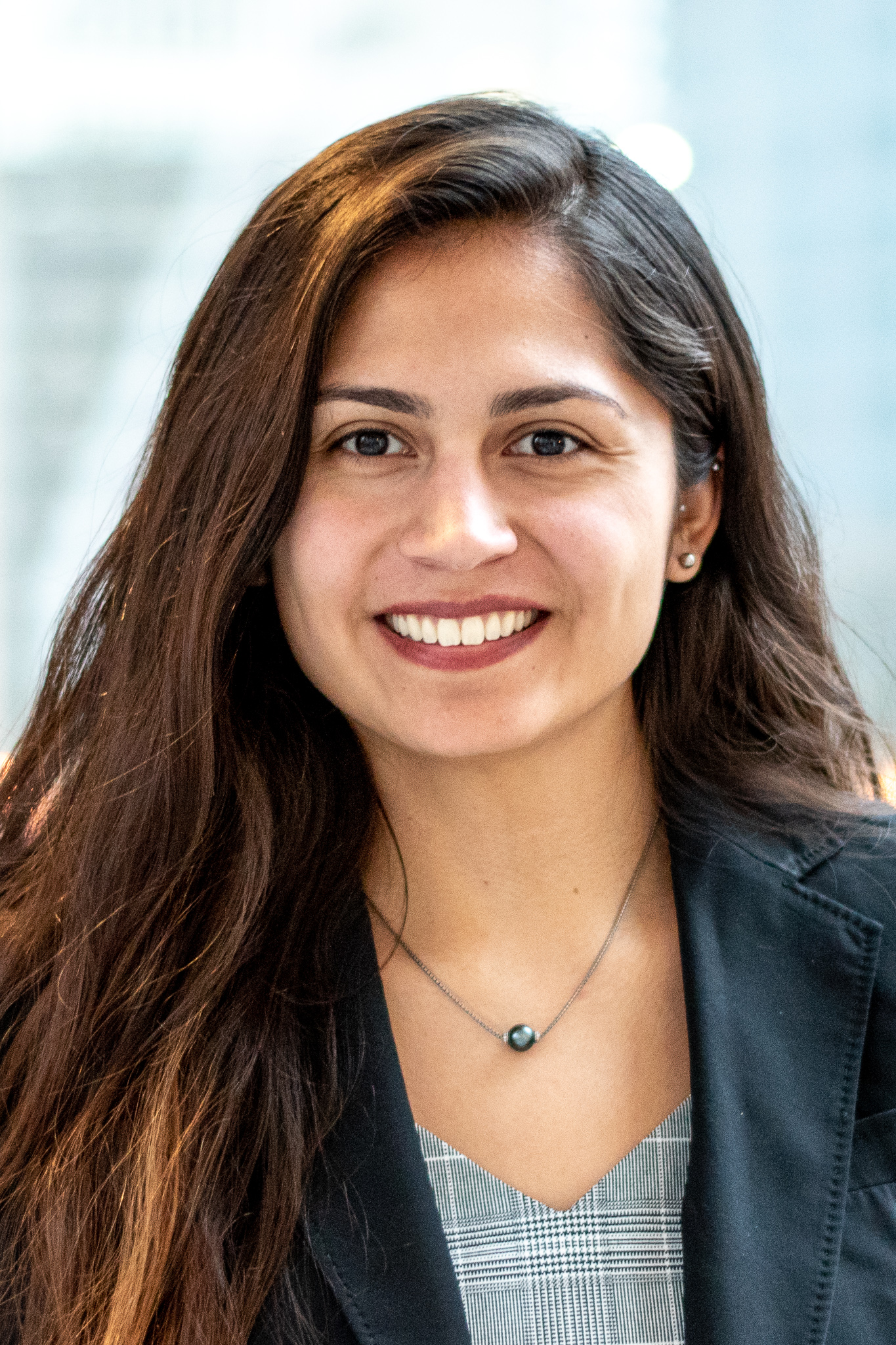
Name: Noelle Ozimek
Undergraduate Institution: University of London
Undergraduate Major: Biological Sciences
- What initially drew you to the MS-RSM program?
I applied to the MS-RSM program because I wanted to learn more about reproductive science! Reproductive science was only a very small part of my undergraduate education, but what we did learn piqued my interest. I also knew I wanted to go into a branch of science which had a large social component, as I’ve always been interested in LGBTQ+ and women’s rights. It seemed like reproductive science could be a great field for me, and I knew that this degree could prepare me for a career in the field.
- Which course(s) did you find most valuable to your training as a reproductive scientist?
I really enjoyed REPR_SCI 440, which was a lab class taught by Dr. Duncan. I came into the program with lab experience, and had used some of the techniques we learned prior to class, but it was still nice to have TAs and professors check up on you and improve your technique. We also learned some reproductive science- specific techniques such as follicle encapsulation, which was amazing to learn at Northwestern considering that the researchers here played a large role in developing and improving this technology.
- Do you have any notable stories from any of your courses?
One of my most memorable moments at Northwestern was during Dr. Pavone’s class on Assistive Reproductive Technologies. We had a guest lecturer who discussed some legal cases related to ART. She spent an hour discussing a “theoretical” case involving surrogacy, and at the end, finally told us that the case was based on a story from the Torah. The class was shocked when we heard this because like many people, we assumed that surrogacy was only a modern-day practice!
- Which event(s) did you find most interesting and/or valuable?
Out of all the CRS events, I found RRU the most enjoyable. I think RRU creates a research environment that is highly collaborative, and I enjoyed seeing how so many members of the CRS community are invested in helping each other succeed.
- How do you feel you have changed the most during your time in this program?
During this program, I’ve become a much more vocal student. In undergrad, I never spoke up in class, but now I do all the time. Some of our classes are discussion based and our class size is small, which has allowed me to become more comfortable speaking in class.
- What advice would you give to current applicants as well as current MS-RSM students?
If I had to give current and future MS-RSM students one piece of advice, I’d tell them to connect with new people as often as they can. The networking I did at Northwestern created many opportunities for me, and led to job interviews, my involvement in research projects, and the chance to see my first surgery!
- What are your future plans?
After this program, I plan to pursue a career in research. I’m currently looking for opportunities in both clinical and lab-based research. I also hope to apply to medical school sometime in the next few years.
- Could you describe the research you are currently working on?
While at Northwestern, I’ve been working with Dr. Hornick, Dr. Monahan and Jenna Mazur (another current MS-RSM student). Prior to beginning our work, it was known that the cohesin protein has a primary role in organizing chromosomes during cell division in a way which is necessary for the successful distribution of chromosomes to daughter cells. In women of advanced maternal age, cohesin declines, resulting in the production of oocytes that are often incompatible with life due to genetic abnormalities. Our work, titled “The Role of Condensin in Chromosomal Aneuploidy.” aims to uncover whether or not condensins, another group of proteins that organize chromosomes during cell division, have a similar role in determining the ploidy status of oocytes. Specifically, we are interested in characterizing the relationship between condensin and cohesin, and want to understand if condensins are also involved in age- related fertility decline.