Alumni Spotlight on Dr. Nisan Hubbard
Outside of the networking and professional development programs within the Center, to be in a place where the community truly feels like a family in which professional and personal relationships can evolve is truly amazing.”
Nisan Hubbard, PhD
Dr. Nisan Hubbard, PhD, is a CRS Alumni and former member of Kelly Mayo's lab, who received his PhD in Molecular Biosciences from NU in 2020. He is now a fellow of the SPIRE teaching postdoc program at UNC-Chapel Hill where along with teaching he is conducting research on G-protein coupled receptor pathways in reproductive development.
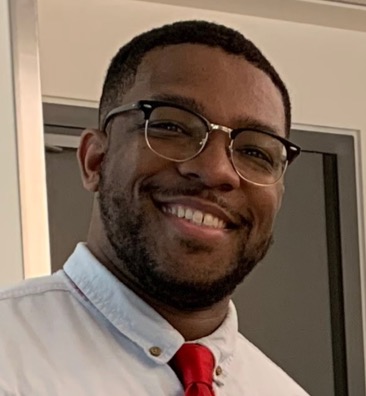
Name: Dr. Nisan Hubbard
PhD Advisor: Dr. Kelly MayoThesis Title: Investigating the Role of the Oocyte and Jagged1 in Notch Activation in the Mammalian Ovary
Current Position: SPIRE Postdoctoral Fellow/Burroughs Wellcome Fellow at University of North Carolina
What is your connection to the CRS community and what is your current position?
While at NU, I trained under Dr. Kelly Mayo for seven years in his lab, conducting projects on understanding the role of Notch signaling in Mammalian Ovarian Development. Currently, I am a SPIRE Postdoctoral Fellow/Burroughs Wellcome Fellow at University of North Carolina working in the lab of Dr. Kathleen Caron.
Could you describe your current research?
Overall, my research is revolved around how the lymphatic system affects events in uterine biology, which includes understanding the role of the lymphatics in the early stages and events in pregnancy.
What aspect(s) of CRS did you find most valuable?
Outside of the networking and professional development programs within the Center, to be in a place where the community truly feels like a family in which professional and personal relationships can evolve is truly amazing. To be able to collaborate on science and various projects without worry of competition, but to work together to truly conduct science and push it forward, I have to say, is truly valuable in the training of scientists.
What has been the most valuable aspect to your training as a reproductive scientist in CRS?
Besides what I mentioned before, another aspect is the fact that students and trainees can conduct sciences and learn from world class talent and faculty who have seemingly endless resources and experiences that will facilitate their development.
What would you recommend to junior scientists in order for them succeed in their scientific careers?
Ask questions. Search for answers. Always adapt and take things in stride no matter the obstacle. And last, but not least, do not be afraid to introduce yourself and network with your peers, whether it be personal for things such as mentoring, or professional for things such as collaboration. All of these things contribute to the growth of a scientist and a professional.
What do you think will be the next big contribution in the reproductive biology field?
That is a good question! I could not tell you. There is several different and exciting projects out there to keep an eye on! From reconstructing organs for fertility, to male birth control, to medicines and solutions to treat reproductive cancers and infertility, I do not think I could name one thing that would be next up. I am truly excited though for the next big thing to manifest, and we are on the cutting edge for any one of these ideas to emerge!
Do you have any notable stories from your time in CRS?
Notable stories? I cannot select just one. There was the funny time where I met Kelly for the first time, and I asked him about his musical talent and his hilarious reaction. Or there is his tradition of his sincere and delightful limericks he composes for his graduating trainees, which truly exemplifies how well he gets to know his trainees as people and scientists. To be clear, these rhymes are awesome and funny summaries of his student's time in the lab, and he really pays attention to everything (even quirks you may display that you may not know you display). It is really endearing!