MS-RSM Student looks ahead to graduation and back at the non-thesis track
I hope this program and the reproductive health field in general can reach more underrepresented minority groups who are looking to apply or have applied but are unable to see representation of themselves in the field. I want them to know to keep striving and working because we need more diversity in the field of medicine not only to educate and inform people in our communities but to act as a catalyst for innovation. ”
Monica Elabed
With the close of Spring quarter comes a change in temperatures, a change in time in the States, and a change in our students' lives. In particular, our non-thesis track students are finishing up intensive online classes, having completed the requirements for graduation (including a rigorous, comprehensive final exam), and preparing for what awaits them in a few weeks - fantastic new academic and career opportunities made available to them by their completion of Master's of Science in Reproductive Science and Medicine. As we continue gaining agility and dexterity on tele-education and video-conferencing, we also continue showcasing our students and celebrating their many accomplishments!
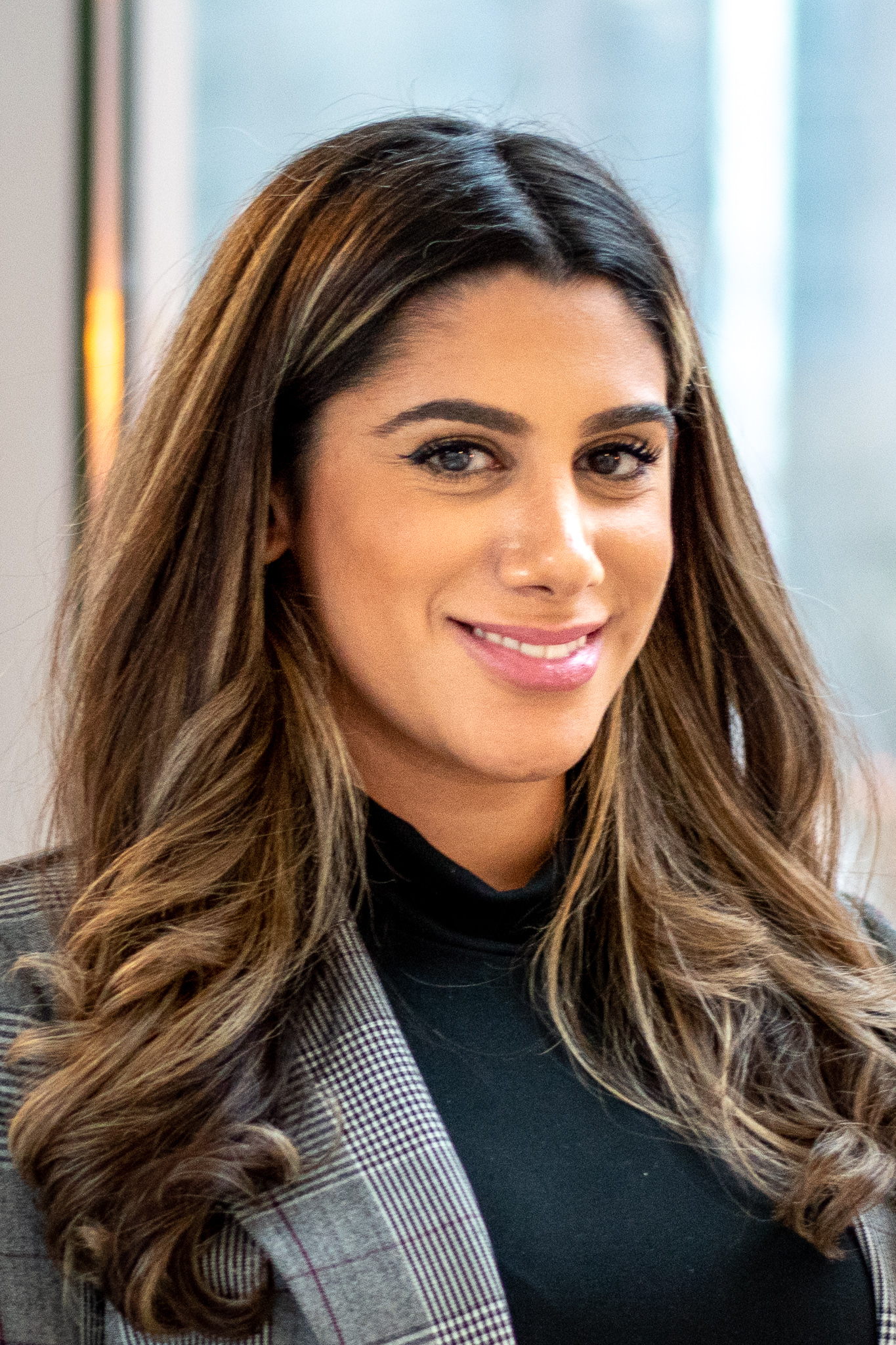
Name: Monica Elabed
Undergraduate Institution: Northeastern Illinois University
- What initially drew you to the MS-RSM program?
I was drawn to the program because I've always been passionate about medicine, especially when it comes to minority women’s health. I knew that this program would be a great step towards advancing my career in medicine, it is renowned for having the best researchers in the field of reproductive medicine, technology and human reproductive health.
- Which course(s) did you find most valuable to your training as a reproductive scientist?
I felt that all the courses in the program were valuable to my training as a reproductive scientist, but I found the Male and Female Reproductive Physiology and Endocrinology courses instructed by Dr. Pamela Monahan to be my favorite. These courses gave me a strong foundation and a better understanding about human reproduction from fetal development to adulthood.
- Do you have any notable stories from any of your courses?
One notable story would be from a career advising meeting I had with Dr. Nicole Woitowich. She noticed that I attended Northeastern Illinois University (NEIU) for my undergraduate degree and told me she also attended NEIU for her master’s program. As we further discussed our shared experiences at NEIU, we realized we also shared the same mentor. Today, I view Dr. Woitowich as a valuable advisor, it was a good feeling to come full circle.
- Which event(s) did you find most interesting and/or valuable?
I found the RRU events that were held every Wednesday to be the most interesting and valuable. It was amazing to see what reproductive researchers at Northwestern are currently working on. The discussions that ensued between students, researchers, and professors at these events were incredibly beneficial and challenged me to grow as a scientist in this field.
- How do you feel you have changed the most during your time in this program?
During this program, I have become much more aware of reproductive health and current reproductive technology. I have also gained an invaluable network of mentors and skilled peers. Perhaps most importantly, I feel that this program has sparked a passion within me to be an innovator in the field and contribute to change the trajectory of reproductive science and medicine.
- What advice would you give to current applicants as well as current MS-RSM students?
I hope this program and the reproductive health field in general can reach more underrepresented minority groups who are looking to apply or have applied but are unable to see representation of themselves in the field. I want them to know to keep striving and working because we need more diversity in the field of medicine not only to educate and inform people in our communities but to act as a catalyst for innovation. I believe diversity in academia, research, and the workplace in general can increase creativity, productivity, and provide a wide range of skills that would otherwise not be possible with groups containing individuals with similar backgrounds.
- What are your future plans?
I hope to join a forward-thinking organization as a strategic operational manager. I would love to learn more about the operational side of health technology and how data in the field of health technology is used to satisfy client needs, whether the client is a patient or a stakeholder of a private company. I am very grateful for the technical experience I have gained from my research in the MS-RSM program, but I believe I can also be a valuable leader in the field of health technology. I am confident that I can contribute my scientific skills to research in health technology as well as engage with clients, stakeholders, and patients with compassion and a wide range of interpersonal skills.
My goal as a strategic operational manager would be to integrate current reproductive science practices with promising technology that is being researched today. For example, the causes of preeclampsia and PCOS are still relatively unknown, yet they both cause maternal morbidity. I had the pleasure of meeting many great researchers at Northwestern who have inspired me to continue my journey in the field of reproductive health such as PhD candidate Hunter Rogers whose research addresses the development of novel fluidic culture technologies that allow for novel approaches to tissue interaction studies for the purpose of disease modeling, drug testing, and investigational toxicology. The future of reproductive health depends on current research trends and I want to be able to contribute to the advancement of reproductive science and medicine through the advancement of the promising technology being developed today.
- Could you describe the research you are currently working on?
Title: 'Characterization of vascular defects in placental development in a rat model of preeclampsia'
Description: While at Northwestern, I've been working with Dr. Monahan, Dr. Jessica Hornick, and Andjela Dragojevic to investigate the alterations in key regulators of angiogenesis that play a role in the development of abnormal vasculature in a induced preeclamptic rat model. Preeclampsia is a multi-system progressive disorder that affects 10% of pregnancies worldwide that leads to morbidity of mother and fetus. Although the etiology of preeclampsia is unclear it is characterized by abnormal development and changes in the uteroplacental arteries. In our work, we are observing histological changes in cell morphology and tissue structure, gene expression alterations of select angiogenesis factors , and immunohistochemistry to determine the localization of vascular defects in an established preeclampsia rat model.