MS-RSM Student looks ahead to graduation and back at the non-thesis track
The MS-RSM program has changed me in more ways than I can count. Most importantly, my confidence has grown immensely, and I have become more comfortable reaching out to those around me who have a wealth of knowledge to share.”
Kaylee Massman
With the close of Spring quarter comes a change in temperatures, a change in time in the States, and a change in our students' lives. In particular, our non-thesis track students are finishing up intensive online classes, having completed the requirements for graduation (including a rigorous, comprehensive final exam), and preparing for what awaits them in a few weeks - fantastic new academic and career opportunities made available to them by their completion of Master's of Science in Reproductive Science and Medicine. As we continue gaining agility and dexterity on tele-education and video-conferencing, we also continue showcasing our students and celebrating their many accomplishments!
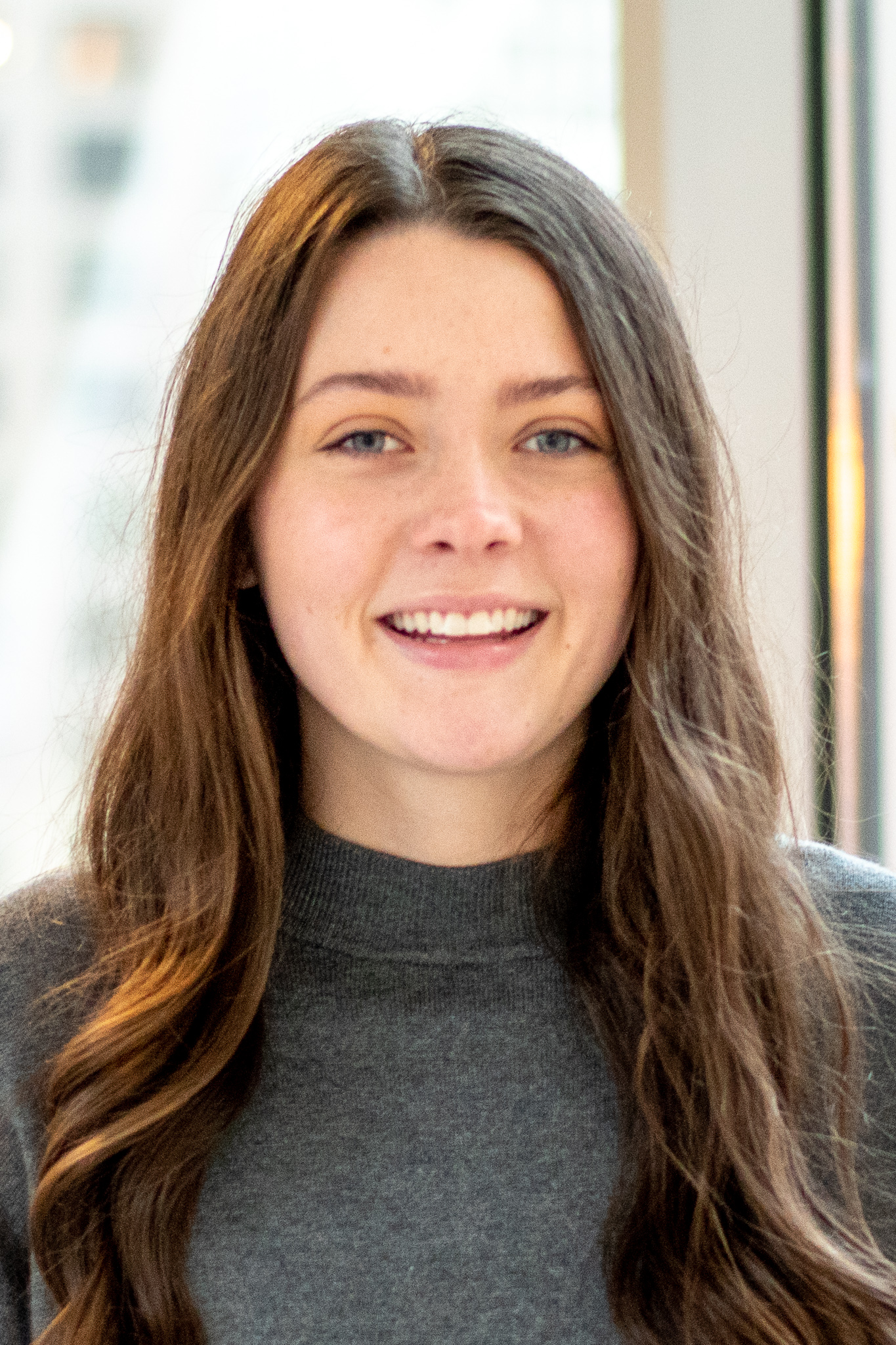
Name: Kaylee Massman
Undergraduate Institution: Iowa State University
- What initially drew you to the MS-RSM program?
During my freshman introductory biology course, we had a unit focused on reproduction and reproductive development. Since then, I have always had a special interest in the topic. I did not have a lot of prior research experience, and I felt this program would help me with my future career goals by providing me with exposure to basic science and clinical research.
- Which course(s) did you find most valuable to your training as a reproductive scientist?
I believe my Reproductive Research Lab course led by Dr. Monahan was most valuable to my training as a reproductive scientist. Not only did I learn how to carry out experiments independently, but I was also exposed to the level of collaboration and communication necessary for successful research outcomes.
- Which event(s) did you find most interesting and/or valuable?
I found the Annual Oncofertility Conference and RRU to be the most valuable events during my time in the MS-RSM program.
4. How do you feel you have changed the most during your time in this program?
The MS-RSM program has changed me in more ways than I can count. Most importantly, my confidence has grown immensely, and I have become more comfortable reaching out to those around me who have a wealth of knowledge to share.
5. What advice would you give to current applicants as well as current MS-RSM students?
The advice I would give to current applicants and MS-RSM students is that your time in this program flies by. You are surrounded by leaders in the field of reproductive science known for their innovation and collaboration. Take advantage of this early – network, reach out for additional research projects, and stay curious. Step outside of your comfort zone and absorb all the knowledge you can.
6. What are your future plans?
I recently received a job offer for a Program Assistant position in the Anesthesiology and Perioperative department at the Medical University of South Carolina where I will be assisting with clinical research projects. I plan to take my MCAT and begin applying for medical school next cycle.
7. Could you describe the research you are currently working on?
Title: 'Analyzing receptor expression in established human breast cancer cell lines'
Description: My project has been done in collaboration with Gaby Meyman, Dr. Wenan Qiang, and Dr. Pam Monahan. First quarter, we utilized a combination of western blots, RT-qPCR, and flow cytometry to analyze the expression of 67 kDa Laminin Receptor, which has been implicated in aggressive breast cancer, in established cell lines. We were also interested in how VEGF affected expression of 67LR. Due to COVID-19, our project had to take a different direction. Along with investigating a ligand of 67LR, Pigment epithelium-derived factor (PEDF), we also used inhibition analysis and IC50 as measures to determine the effect of different therapies on various breast cancer cell lines.