MS-RSM Student looks ahead to graduation and back at the non-thesis track
The more I learned about the MS-RSM program, the more I realized it was the perfect blend of science and medicine I was looking for! ”
Jenna Mazur
With the advent of Spring quarter comes a change in temperatures, a change in time in the States, and a change in our students' lives. In particular, our non-thesis track students are attending intensive online classes, completing the requirements for graduation (including a rigorous, comprehensive final exam), and preparing for what awaits them in late June - fantastic new academic and career opportunities made available to them by their completion of Master's of Science in Reproductive Science and Medicine. Over the next few weeks, as we continue gaining agility and dexterity on tele-education and video-conferencing, we will showcase our students and celebrate their many accomplishments!
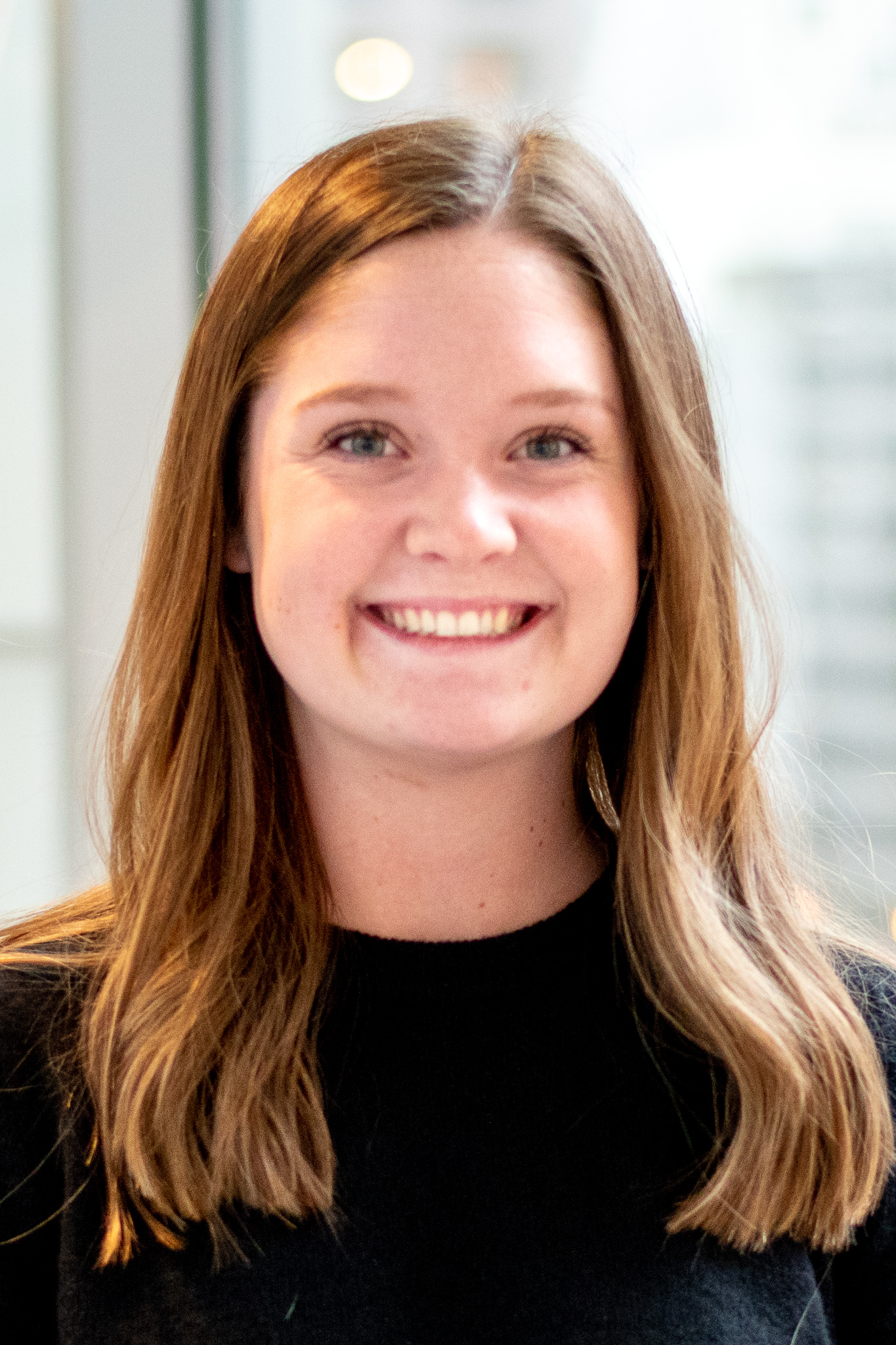
Name: Jenna Mazur
Undergraduate Institution: Loras College
- What initially drew you to the MS-RSM program?
I was always interested in lab work, but I was also interested in medicine and clinical applications of lab work. The more I learned about the MS-RSM program, the more I realized it was the perfect blend of science and medicine I was looking for!
- Which course(s) did you find most valuable to your training as a reproductive scientist?
The non-thesis Reproductive Research course (REPR_SCI 442 & 443) taught by Dr. Monahan really helped me develop technical skills in the lab, but also helped me learn how to think like a scientist. I have never done a research project like this before, so the idea of it was intimidating. Dr. Monahan provides the perfect balance of helping you out when necessary, but making you think independently and work through your ideas. Also, in the lab portion of the Assisted Reproductive Technologies (REPR_SCI_415) course, we received hands-on training performing techniques such as ICSI, embryo biopsy, embryo grading, and other techniques used in the clinic everyday. I would like to become an embryologist, so this training was so valuable to me!
- Do you have any notable stories from any of your courses?
The first thing that comes to mind is a lecture given by Dr. Susanna Greer for our Research Proposals and Science Communication course (REPR_SCI_455). Dr. Greer is a director of the Clinical Cancer Research, Nutrition, and Immunology program in the Extramural Grants department at the American Cancer Society. While the focus of the lecture was about speaking to donors, she emphasized the importance of being passionate about your goals and having a career that allows that passion to overflow. It was so evident that she had that passion for her career and it was really inspiring and motivating!
- Which event(s) did you find most interesting and/or valuable?
I found RRU to be the most interesting CRS event. Not only were you able to see all the great research happening at Northwestern, but it also led to great questions and discussions. Since RRU is attended by so many, RRU really demonstrated how collaborative science is.
- How do you feel you have changed the most during your time in this program?
This program has definitely made me more confident; specifically in the lab. In the past, I was always afraid to make mistakes and felt the need to ask for help constantly. Each lab course showed me that mistakes are a part of science and learning from your mistakes makes you a better scientist.
- What advice would you give to current applicants as well as current MS-RSM students?
My advice is to embrace every opportunity provided to you through the program. Every class, lab, assignment, guest lecturer, outside event, etc. is designed to prepare you for a future in reproductive science. While some things may interest you more than others, there is always something to be gained from the experience!
- What are your future plans?
After the MS-RSM program I would like to pursue a career as an embryologist. It was something I was interested in before, but this program really solidified that I want a career that blends reproductive science and medicine.
- Could you describe the research you are currently working on?
Title: 'The Role of Condensin in Chromosomal Aneuploidy'
Description: We are investigating if disruptions in the condensin complex will disrupt chromosome segregation and ultimately result in chromosomal aneuploidy. Previous research has shown an age-related decline in a similar complex, cohesin, which leads to increased rates of chromosome segregation errors- this caused us to speculate on the role of condensin in chromosomal aneuploidy. I have been working on this project with Noelle Ozimek, Dr. Jessica Hornick,and Dr. Pam Monahan.