MS-RSM Thesis Student Prepares to Graduate
Present and share your work at a conference even if it makes you nervous. Talk to people you’ve never met before at events about their research and ask questions. You can tick off the necessary boxes to graduate, but the real growth in this program comes from taking yourself outside of your comfort zone and engaging in every opportunity that you can.”
Jamie Mara
With the end of Winter quarter comes a change in temperatures, a change in time in the States, and a change in our students' lives. In particular, our three second-year thesis-track students have all successfully written and defended their theses for the successful completion of the Master's of Science in Reproductive Science and Medicine. Over the next few weeks, as we rapidly become agile and dexterous on tele-education and video-conferencing, we will showcase a few of our students and celebrate their many accomplishments!
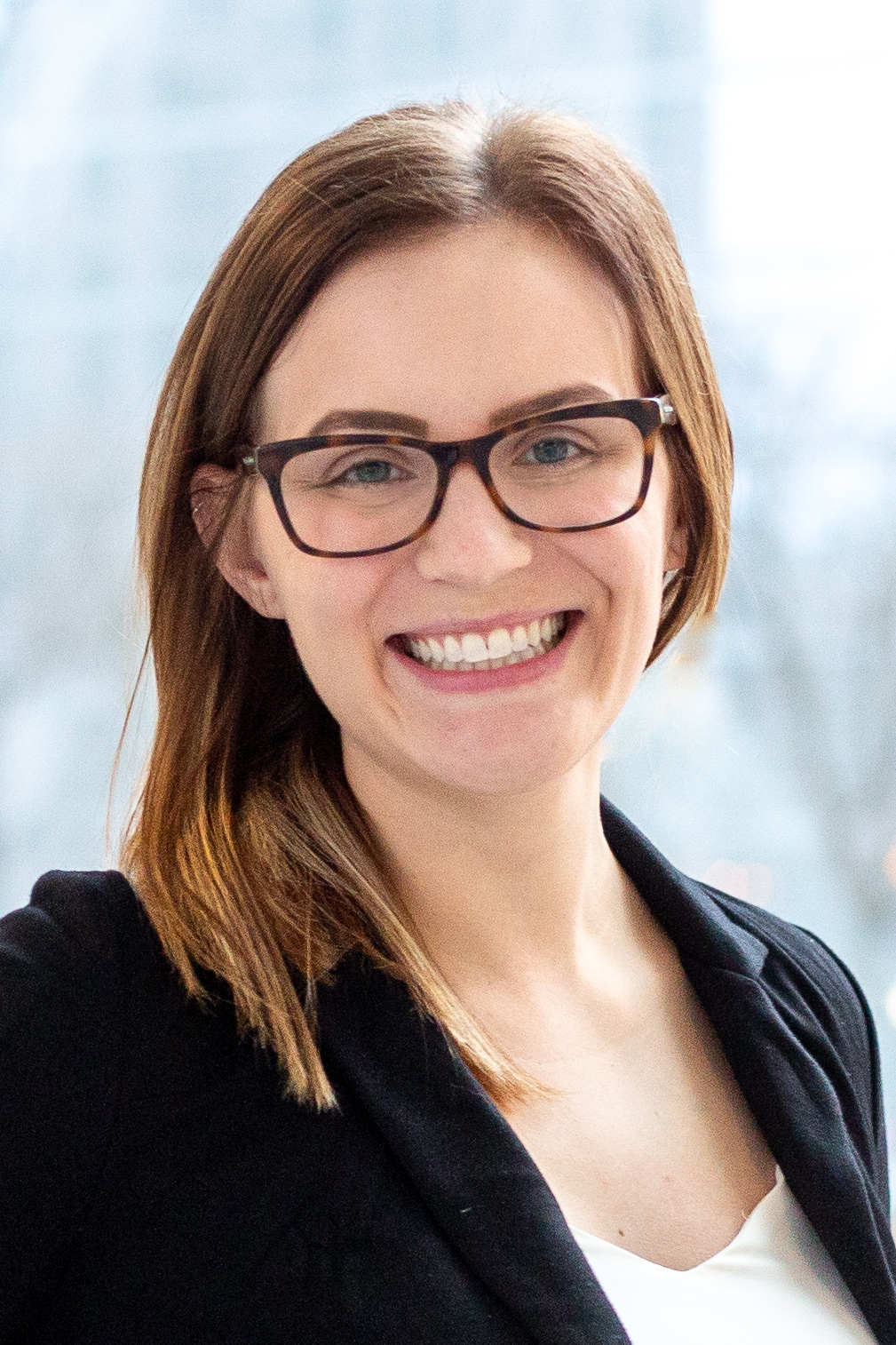
Name: Jamie Mara
Undergraduate Institution: Purdue University
Undergraduate Major: Nutrition and Dietetics
Thesis Title: Ovulation and Ovarian Wound Healing are Impaired with Advanced Reproductive Age
Thesis Mentor: Francesca E. Duncan
- What initially drew you to the MS-RSM program?
I was a dietetics (nutrition science) major in undergrad and took a course called “Nutrition Through the Life Cycle.” A large portion of the course focused on nutrition prior to pregnancy and during gestation. I threw myself into the course and remember being a lot more interested in the fertility and reproduction outcomes aspects than I was with developing meal plans. That course first peaked my interest and from there I knew I wanted to pursue human reproductive science. The MS-RSM is so unique and there aren’t any other programs like it.
- Which course(s) did you find most valuable to your training as a reproductive scientist?
I think Pam’s courses (Female and Male Reproductive Physiology and Endocrinology) are extremely valuable. They provide a solid foundation of the fundamentals and also incorporate current research. Pam is also a great lecturer and I always felt comfortable asking questions. Both of the courses and Pam’s teaching style were a great introduction to reproductive science.
- Do you have any notable stories from any of your courses?
During one of the first lectures in Pam’s class, she talked about a historical experiment in which male frogs were put in pants. The whole point of the experiment was that it trapped sperm and proved that it was a necessary component of reproduction. I love fun facts, especially about animals, and from there Pam and I started exchanging fun facts about animal reproduction which we continued to do even after the course ended.
- Which event(s) did you find most interesting and/or valuable?
I think the event that was most valuable for me was the Illinois Symposium on Reproductive Science (ISRS). I was selected to give an oral presentation on my thesis work, which was exciting on its own, but then I was also fortunate enough to receive the Constance Campbell Memorial Research Award for my talk. It was a great opportunity to share my work and have engaging discussions with scientists in the field from other universities in Illinois. Because this event was trainee-run and oriented it was a very encouraging environment and fostered authentic discussions.
- What did you enjoy about working in your specific labs?
I’ve really enjoyed Francesca’s mentorship and guidance and how much I’ve learned from her. She encouraged independence, but was always there to provide guidance and support. She was able to help me identify skills I had and then give me the opportunities to develop them further.
- How do you feel you have changed the most during your time in this program?
During my time in the program, my science communication skills have grown immensely. Francesca is outstanding at communicating her science and having her feedback and guidance as I drafted oral presentations and prepared two manuscripts was invaluable. She’s taught me to think beyond the data directly in front of me and instead, craft the entire story it tells. Because of this, I’ve gained confidence and taken ownership of my science which I’ve communicated across multiple formats.
- What advice would you give to current applicants as well as current MS-RSM students?
For current applicants, I would suggest knowing that you have a strong interest in reproduction or a great deal of curiosity. You’re going to be submerged in reproductive science for 9-18 months, so you really want to love it or at least be intrigued by it. Also, don’t be deterred if you don’t have a background that’s strictly in biology or much research experience. If you’re curious about this area of science and commit yourself to learning more about it, you’ll thrive.
For current MS-RSM students, I would recommend being as involved as you can and take every opportunity that comes your way, even if it seems challenging. Especially if it seems challenging. It’s such a cliché to say, but you’re going to get out of this program what you put into it. Present and share your work at a conference even if it makes you nervous. Talk to people you’ve never met before at events about their research and ask questions. You can tick off the necessary boxes to graduate, but the real growth in this program comes from taking yourself outside of your comfort zone and engaging in every opportunity that you can.
- What are your future plans? What will you be doing between now and June?
Right now, I’m on the alternate list for medical school and am waiting to hear about that. Hopefully, I’ll be starting medical school in August. If not, I’d like to do work with histology and/or science writing. My thesis work involved a lot of histology and I want to pursue gynecologic pathology in some way. Additionally, through writing two manuscripts I’ve come to enjoy the particular style and challenges of science writing and could see myself working in that field as well.
Between now and June, I will be staying on in the Duncan lab to help with some immunohistochemical projects.
Author's Note (May 27, 2020): Jamie Mara has been accepted into the Doctor of Medicine Program at the Chicago Medical School at Rosalind Franklin University!