MS-RSM Thesis Student Prepares to Graduate
Because I had determined that I wanted to become a physician-scientist ... I knew this program would provide the didactics and rigorous research mentorship and training to best prepare me for my future career. ”
Emily Hayes
With the end of Winter quarter comes a change in temperatures, a change in time in the States, and a change in our students' lives. In particular, our three second-year thesis-track students have all successfully written and defended their theses for the successful completion of the Master's of Science in Reproductive Science and Medicine. Over the next few weeks, as we rapidly become agile and dexterous on tele-education and video-conferencing, we will showcase a few of our students and celebrate their many accomplishments!
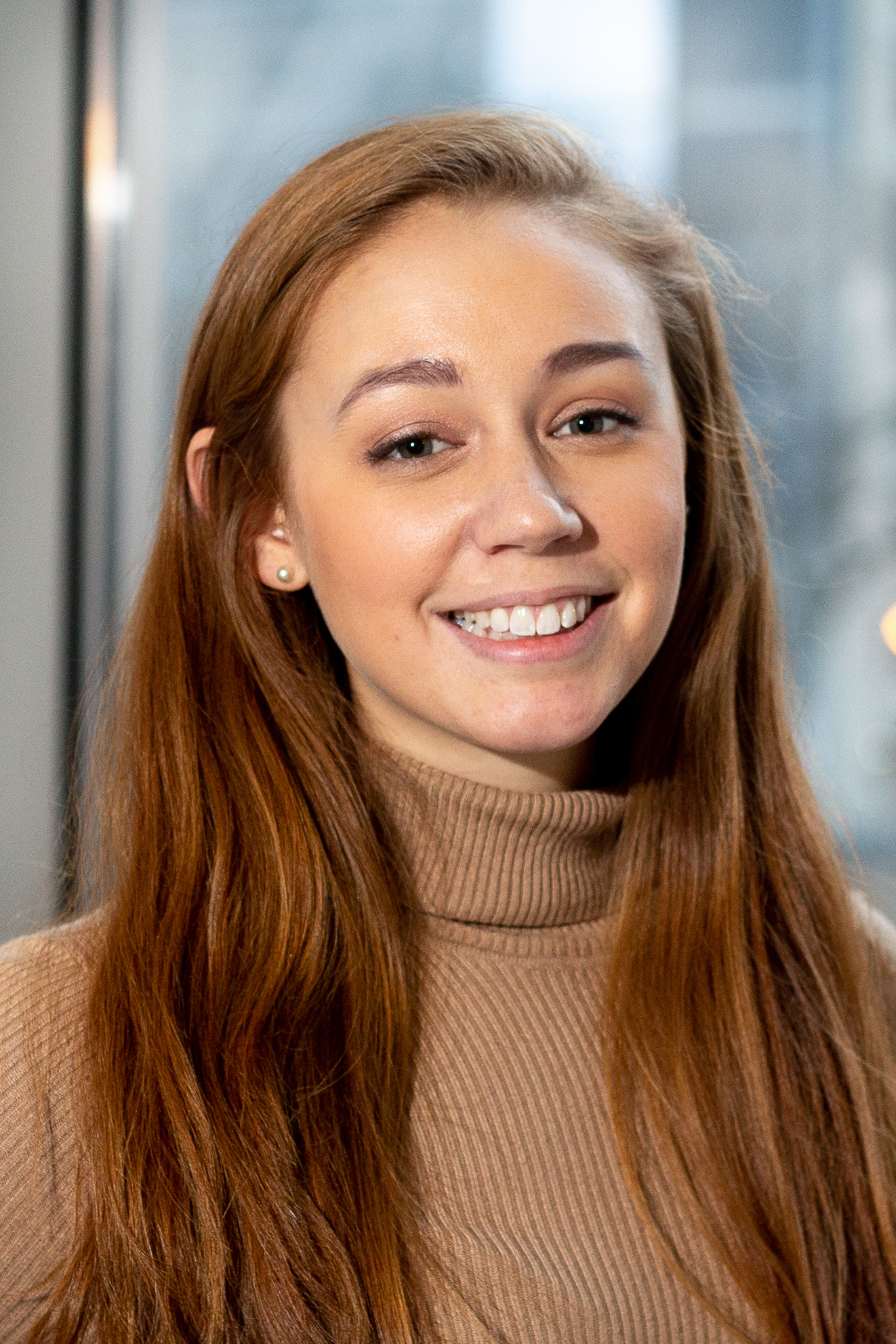
Name: Emily Hayes
Undergraduate Institution: University of Rochester
Undergraduate Major: Biochemistry
Thesis Title: Investigating the Crosstalk Between Integrin Signaling and the Hippo and TGF-βPathways in Juvenile Murine Ovaries
Thesis Mentor: Teresa K. Woodruff
- What initially drew you to the MS-RSM program?
In high school and college, my research experiences focused on endocrinology and reproduction, and I absolutely fell in love with women's health. One day, I was on Facebook, and one of my sorority sisters, Tracy Zhou, posted a picture of her presenting her research in oocytes. On her poster, the authors included some of the leading scientists in women's reproduction--people I had dreamed of working with for years. I met up with Tracy for coffee and she told me everything about her positive experience in the MS-RSM program. Because I had determined that I wanted to become a physician-scientist dedicated to pursuing the answers to the most important questions in reproduction, I knew this program would provide the didactics and rigorous research mentorship and training to best prepare me for my future career.
- Which course(s) did you find most valuable to your training as a reproductive scientist?
The didactic courses (405 and 407), as well as the reproductive lab techniques class (440) were the most important for my success, though, in all honesty, every course I took was valuable. As someone interested in going into medicine, I really appreciated and learned a lot from the spring course (420) in which every class featured a lecturer from a different area of medicine related to reproduction: obstetric anesthesiology, urology, minimally invasive surgery, gynecologic oncology...just to name a few.
- Do you have any notable stories from any of your courses?
One time, Erv Goldberg told our class that when he was a trainee in the 1950s, his mentor took him to a dump one night and made him shoot his own rats to use for his research.
- Which event(s) did you find most interesting and/or valuable?
Oncofertility Conference, TLRS, RRU, OB/GYN grand rounds, career catalysts.
- What did you enjoy about working in your specific lab?
What I loved about working in the Woodruff lab was the amount of independence that I was given, which really pushed me to learn how to design experiments, troubleshoot, ask for help, and drive projects forward. While the experience was super challenging, I felt supported and empowered by Teresa and my labmates every step of the way.
- How do you feel you have changed the most during your time in this program?
Through this program, I was so humbled to work with the most brilliant, successful people I've ever met. I learned that these people are the ones who always have the most humility, always ask questions and ask for help, and always seek out opportunities to collaborate. Learning from their example, I believe the most important way I changed was becoming comfortable asking for help.
- What advice would you give to current applicants as well as current MS-RSM students?
- What are your future plans? What will you be doing between now and June?
I will be matriculating into the MD-PhD program at the University of Illinois-Chicago. Between now and June, I will begin my first PhD rotation at UIC with Dr. Irina Buhimschi in Maternal-Fetal Medicine research.