Dr. Thomas Thompson delivers Neena B. Schwartz Memorial Lecture
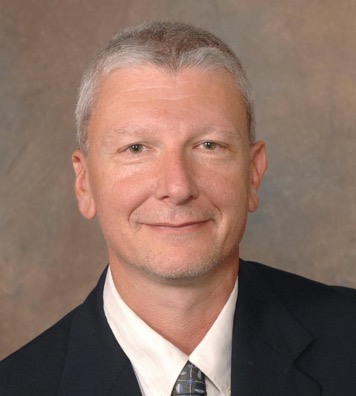
On October 23, CRS welcomed Dr. Thomas Thompson, PhD, Professor of Molecular Genetics from the University of Cincinnati - College of Medicine for the annual Neena B. Schwartz Lectureship in Reproductive Science. Dr. Thompson is a former CRS trainee as a past postdoctoral fellow of Dr. Teresa Woodruff, PhD, past director of CRS.
Dr. Schwartz’s pioneering work on understanding the role of inhibin in reproduction has been the foundation on which many researchers have built their current research endeavors upon. Each year, we celebrate her legacy in our little CRS community, but, with each year’s invited speaker, it becomes increasingly clear that her legacy and impact is far reaching and has contributed to an explosion of understanding. Even in a time of social distancing, our community came together virtually, with over 60 in attendance to hear the cutting-edge discoveries of Dr. Thompson. One could even say that this year’s event was a family affair. We had the privilege of virtually hosting members of Neena’s family to hear Dr. Thompson’s presentation and even Dr. Thompson’s mother was able to attend, hearing her son speak for the first time in his 20-year career. It is these bright notes of pride and support that makes our celebration of science and community all the more luminescent and enjoyable.
Dr. Thompson’s presentation titled “A Structural Perspective of Activin Signaling and its Regulation" not only provided a retrospective look at TGF beta signaling, but also provided a look forward to the leading edge of the continued research into this superfamily of proteins and their diverse signaling outputs, all through the lens of structural biology. His current research focus is on understanding the structural dynamics of TGF beta ligands binding to their receptors and how this understanding informs the field on the diversity of outputs, the impacts on different tissues and the development of therapeutic strategies to address diseases and disorders that arise from impairment of these signaling events. Dr. Thompson’s team’s work really brings into focus the concept of structure informing function. Our community was really treated to an excellent and enlightening presentation by a true luminary.
In Dr. Schwartz’s own words, reflecting on her work with Dr. Cornelia Channing on the discovery of Inhibin, “Regardless, I turned out to be right, and this discovery led to the further discovery of a whole essential family of proteins and receptors with various function, including development in humans” (A Lab of My Own, 2010). It is evident that the fire that Dr. Schwartz ignited with her discovery still burns bright and lights the way.