Alumni Spotlight on Jennifer Rowley
I think the most critical lesson from my training at the CRS was understanding the importance of being a good collaborator. ”
Jennifer Rowley, MS
Jennifer Rowley is a MS-RSM Alum who completed her master's thesis work with Dr. Francesca Duncan, investigating the role of hyaluronan in gene expression in ovarian stromal cells and gamete development. Jennifer reflects on her time in CRS and the MS-RSM and how her passion for reproductive science still drives her as she enters into her second year of her medical studies at Harvard.
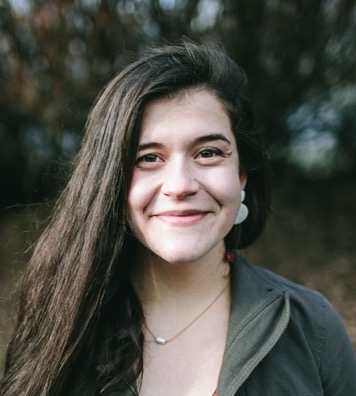
Name: Jennifer Rowley, MS
MS-RSM Class of 2019
Thesis mentor: Dr. Francesca Duncan, PhD
Thesis title: Low Molecular Weight Hyaluronan Induces Inflammatory Gene Expression in Ovarian Stromal Cells and Impairs Gamete Development in vitro
What is your connection to the CRS community (mentor and position) and what is your current position?
I completed the Masters in Reproductive Science program in 2019. As a thesis-track student, I completed an independent study focused on reproductive aging under Francesca Duncan. After graduating from the MS-RSM program, I started medical school.
Could you describe your current research/studies?
I am currently a second year student at Harvard Medical School, where most of my time is currently being spent learning clinical knowledge and skills at Mass General Hospital. Before diving into clinical work, I spent my time as a first year engaged in advocacy and education around reproductive health within the HMS community. One of my biggest goals going into my first year was to create a community of folks who have similar interests in reproductive health. Thus, through student research flash talks, faculty lectures, and didactic sessions, we have helped educate our classmates and broader community on the importance of reproductive health and science in every field of medicine.
However, after all this time away from the lab, I am itching to dive back into reproductive science research after my clinical year!
What aspect(s) of CRS did you find most valuable?
As a trainee in the earliest stage of my career, I found it incredibly beneficial to have access to a community of scientists like the CRS. I not only benefited from having access to an amazing mentor like Francesca, but I also got to know many other accomplished reproductive scientists who influenced me. I think as a young scientist who is figuring out so much of what I wanted for my career, getting to see such a wide variety of research interests and mentoring styles up close was very special.
I also think getting to be part of a community of trainees who share your interest in reproductive science is incredible. After two years as an MS-RSM student, I am carrying forward relationships with many other young reproductive scientists who will continue to be my peers and collaborators for the rest of my career.
What has been the most valuable aspect to your training as a reproductive scientist in CRS?
As a physician-in-training, I think there are many valuable lessons from my training as a reproductive scientist. First, while discourse around reproductive health is common in medicine, most physicians have little exposure to the scientific study of the biology of reproduction. This has important consequences for the outcomes of our patients, and our ability to combat reproductive health disparities.
For example, a great deal of work has looked at why pre-term labor disproportionately impacts Black women in the US. For decades, much of this work has looked at socioeconomic factors. While these factors undoubtedly play a role, its really basic science that has made new headway in understanding the disease process of pre-term labor, which is giving us new hope to prevent and treat it.
I think the pre-term labor example underscores the broader message I have taken from CRS: to improve reproductive health, we need to keep investing in reproductive science and getting back to the scientific fundamentals of each disease process we want to tackle. Communities of reproductive scientists like the CRS are vital in these efforts.
What would you recommend to junior scientists in order for them succeed in their scientific careers?
I think the most critical lesson from my training at the CRS was understanding the importance of being a good collaborator. Through my masters, I had the pleasure of working with the lab of Dr. Michele Pritchard at the University of Kansas. Primarily a liver biologist, Dr. Pritchard’s expertise outside of the ovary brought a whole new perspective to our work. I came away from that collaboration truly appreciating how pivotal interdisciplinary relationships can be to successful scientific career.
But, this value of collaboration extends beyond what other labs and institutions you are working with. Even though we tend to think about science as an individual endeavor, it’s really a team sport. I found that both the good and bad days working on my thesis were infinitely improved by having lab mates around me who I trusted and who I sought input from constantly. I was invested in their projects, and they were invested in mine. Make it a practice to show up for your classmates, lab mates, mentor and mentees and make yourself available to help them out when they need it.
What do you think will be the next big contribution in the reproductive biology field?
One topic I have been reading about a lot lately is in vitro gametogenesis, or the creation of gametes from stem cells. As someone who wants to provide care to LGBTQ+ folks, I have heard from many same-sex couples that they want to have biological children that share both parents’ DNA. IVG is one possible path to that future option for same-sex couples, and would be an enormous step forward for this community. However, while there have been successful studies in mice, it still has a long way to go.
Do you have any notable stories from your time in CRS?
There are too many to count! One of my favorite memories was from a conference I went to with Francesca and Michele in Wales right before I graduated. We just had a long but great day of lectures and presentations and joined the rest of the conference goers for a dinner in an old Welsh castle, complete with archery and actors in medieval clothing. It was a good reminder that scientists work hard but also like to kick back and relax like the rest of us!