Interview with ISRS Speaker, Jon Hennebold, PhD
As we get closer to the 2019 Illinois Symposium on Reproductive Science, now only two weeks away, we look forward to a diverse array of presentations from our distinguished speakers! Featured in this week’s CRS news story, is an interview with keynote speaker, Jon Hennebold, PhD, Professor at Oregon Health Sciences University.
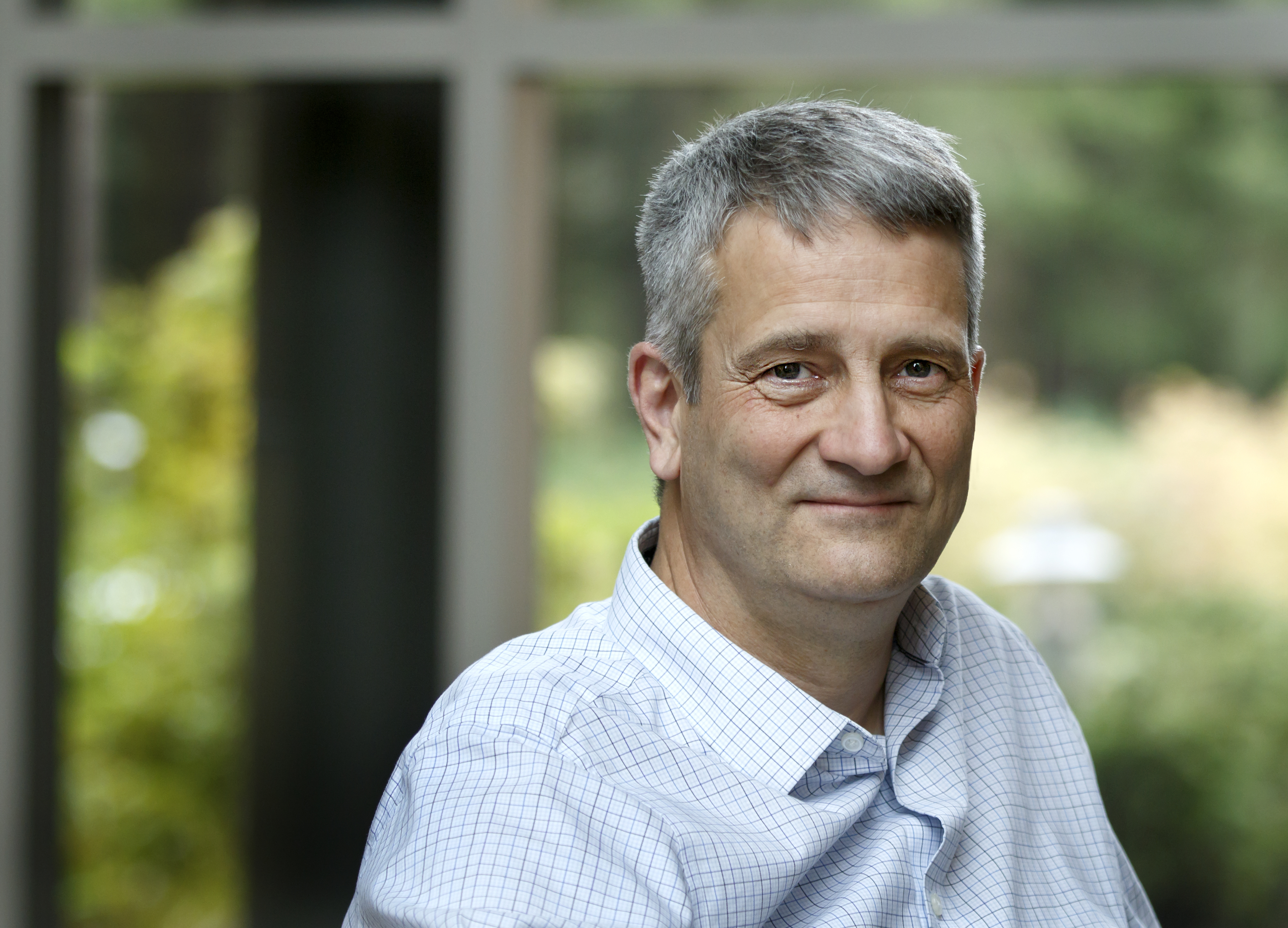
- Your lab has made substantial contributions to the ovulation process as well as the formation and function of the corpus luteum, among other areas. When did you become interested in these topics?
I have to be honest; my path was not at all a linear one! I was very fortunate because I had the opportunity to let my curiosity and scientific interests guide me to my current research focus. The abridged version is, through my undergraduate studies (B.S. in microbiology with a chemistry minor), I became interested in infectious diseases and how the immune system prevents their occurrence or resolves them (hopefully!). Based on this interest, I went to graduate school, where my dissertation research focused on how the immune system was regulated by steroid hormones. While the major focus dealt with how glucocorticoids differentially regulate immune responses in different lymphoid tissues, I started to understand that sex steroids also had significant effects on immunological processes. Following that “thread” and trying to understand more about the underlying source and synthesis of sex steroids, particularly estrogens and progesterone, I became fascinated by what a dynamic organ the ovary is. After graduating with a Ph.D. in immunology, I made the transition to a reproductive sciences laboratory. That was over 23 years ago, and I am still amazed by the incredible array of cellular activities that must occur regularly in the ovary to ensure fertility.
- What do you think will be the next big contribution in the reproductive biology field?
I think that there are 3 areas that will transform reproductive biology, specifically as they relate to clinical practice. They include gene editing; derivation of functional germ cells from stem cells, particularly using induced pluripotent stem cells; and tissue engineering/bioengineering.
- How was the transition from a post-doc researcher to directing your own group?
In retrospect, there were some minor bumps along the way. When I was hired as an Assistant Professor, the standard approach was mostly "sink or swim." However, I was in an incredibly supportive environment, which made all the difference in the world. Through an amazing division chair, Dr. Richard Stouffer, I had the guidance necessary to make sure my transition to independence was successful. Although there is considerable work to be done, I think we have gotten better at training/mentoring the next generation of scientists through this transition. Due to the increased administrative burden over the past several years and the competitive funding environment, we must provide trainees the tools necessary to transition to the scientific career that they desire, which for some includes starting a lab.
- What would you recommend to junior scientists (PhD/junior postdocs) in order to succeed in their scientific careers?
This is a difficult question to answer in general terms because I believe that people have different definitions of success. I think actually defining what “success” means to you is the first and the most important place to start. You have to try to think about what is going to make you want to come into work for the next 20, 30, or more years. I know that it sounds cliché, but I absolutely look forward to the challenges of each day and the opportunity to work with some amazing people. For some, the long-term goal is to have an independent research program; for others, it may be working for a pharmaceutical company, and yet for others, it may be teaching. With a vision in mind, it is then possible to start to build up a foundation of expertise and experience that will help you move down a particular path to achieve your career goals.
- How do you achieve a good work-life balance?
This is also very personal. My family and my love for the outdoors are the two things that balance out my work life. Again, the important consideration is to identify the activities outside of work that provides a release from the stresses associated with your particular scientific career. I am also a firm believer that experiences and interests outside of work make us better scientists by providing a big-picture perspective of why we do what we do. As an example, when I have a chance to get out into the wilds of the Western US, it drives home how important it is to work towards ensuring that human activities are not responsible for the destruction of the planet, and how contraceptive/family planning research is a critical part of the picture.
- What hobbies do you have outside of the lab?
Anything outside! I grew up on a ranch/farm in Eastern Idaho. My life growing up was spent mostly in the outdoors; camping, hiking, rafting, and just generally exploring. Living in the Pacific Northwest allows me to continue doing these things, now with my wife, daughter, and Labrador retriever. The retriever needs therapy, however, as he is the first lab in the world that I am aware of that hates water.